After schools, safety is the question we hear most from families moving across the water. It deserves an honest answer — not a sales pitch — so here's the straight version, plus how to check it for yourself.
The honest headline
Broadly, Kitsap and the surrounding peninsula counties are quieter and lower-crime than urban Seattle — that contrast is a big part of why people move here. But 'safe' is never uniform. Like anywhere, it varies street to street, and a whole-county reputation tells you very little about a specific neighborhood.
It's about the neighborhood, not the city
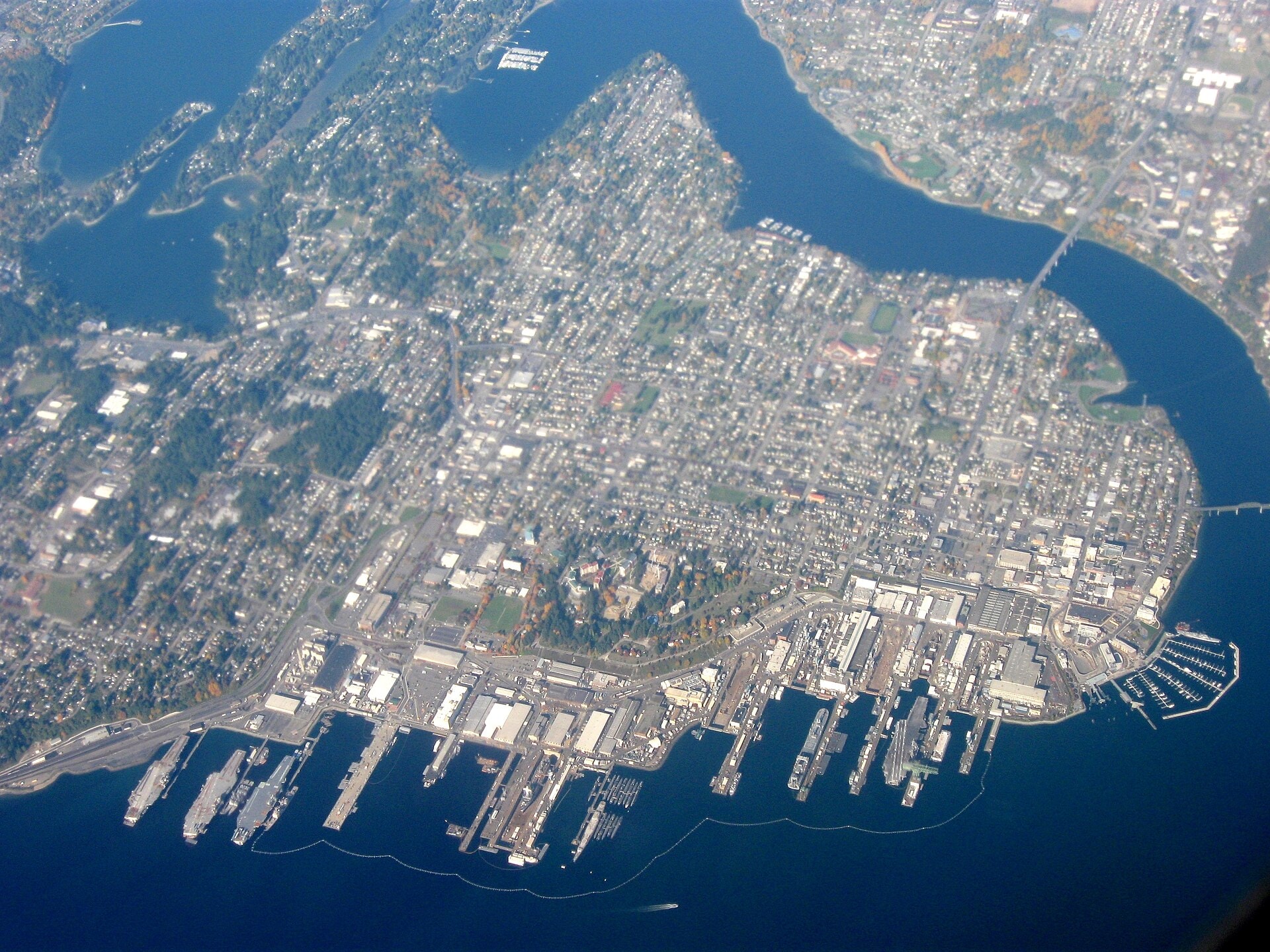
Even within one town, pockets differ. Bremerton's revitalizing downtown and historic Manette feel different from some of its older commercial corridors. The right question isn't 'Is this city safe?' — it's 'What is this street like?' Drive your target area in the daytime and again at night, and you'll learn more than any statistic.
How to actually check
Use the local sheriff's office and police department crime reports and online crime maps for the exact area. Talk to neighbors. Look at how homes are kept up on the block. If a particular address matters to you, a local agent can give you the real read on that pocket — the kind of thing that never shows up in a listing.
What 'safe' means out in the county
On rural properties, the bigger safety consideration is usually emergency response, not crime. Fire and medical response times are longer the farther out you are, so it's worth knowing your fire district and nearest station, and being a bit more self-reliant. It's a different kind of preparedness, and for most people it's a fair trade for the quiet.
The bottom line
Most of Western Washington feels safe and calm compared to a big city — but do the homework on the specific area, not the headline. That neighborhood-level knowledge is exactly what a local agent is for.