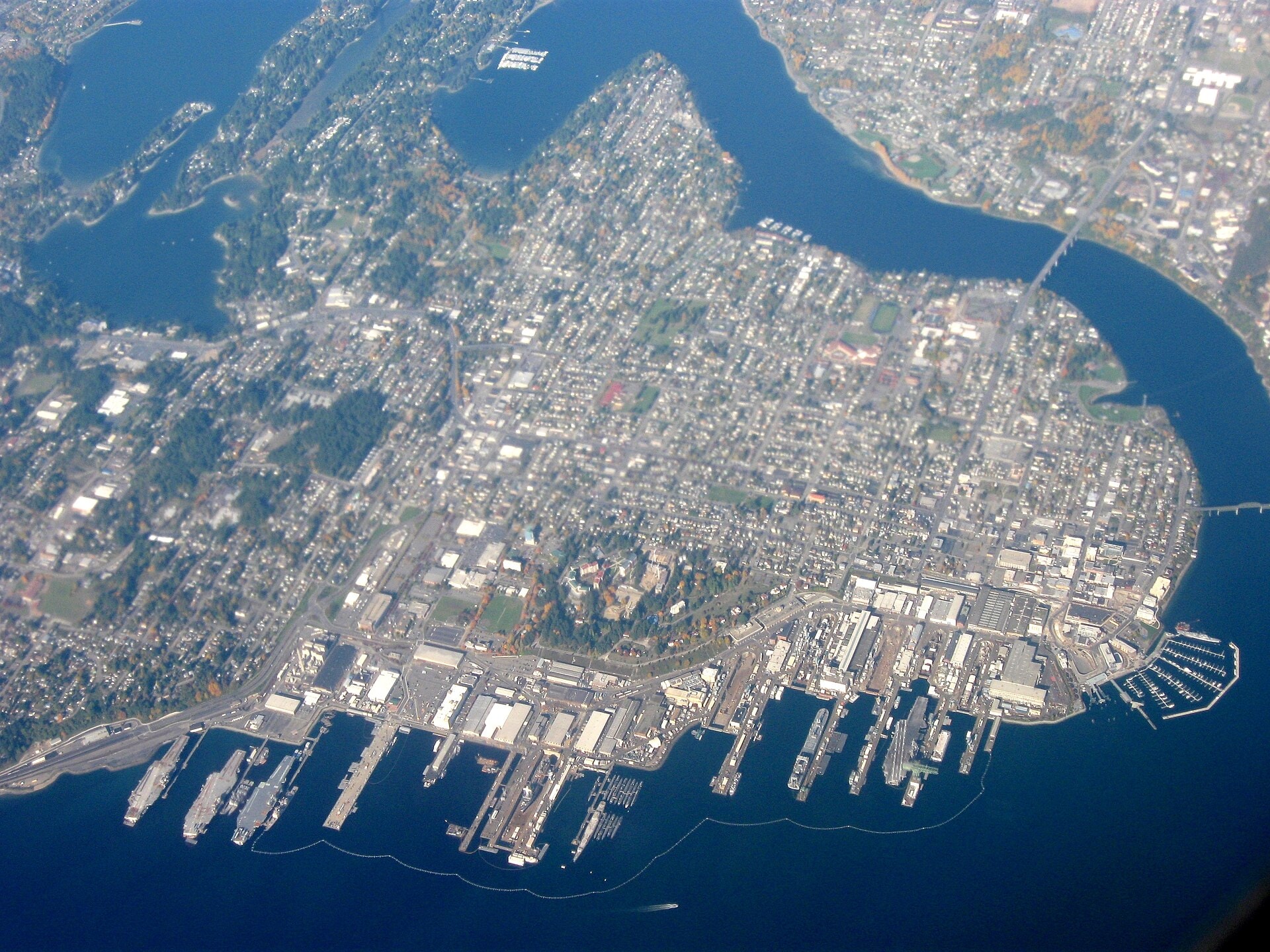
Most people moving toward Seattle picture Kitsap County as the place across the water where commuters catch the ferry: subdivisions, strip malls, a bedroom community for people priced out of King County. Then they stand on a driftwood beach at the mouth of Hood Canal with nobody else in the parking lot and the picture changes. These are the places I take relocation clients before we look at a single house, with the access details you need to actually visit them.
Know your passes before you go
Kitsap's public land comes under three different owners, and each has its own rules. Washington State Parks, including Scenic Beach, Manchester, and Illahee, require a Discover Pass for vehicle access: Washington State Parks lists it at $10 for a day and $45 for an annual pass. County parks such as Point No Point and Port Gamble Forest Heritage Park are run by Kitsap County and are not part of the Discover Pass system. Foulweather Bluff is a Nature Conservancy preserve with no fee but stricter visitor rules. If you're moving here, the annual Discover Pass pays for itself by the fifth day visit.
Foulweather Bluff: the wild tip of the peninsula
At the northern tip of the Kitsap Peninsula, where Hood Canal opens out to the Sound, The Nature Conservancy protects a 116-acre preserve. A short trail, about a third of a mile, runs through alder, cedar, and hemlock and past a brackish marsh to roughly 3,800 feet of beach backed by eroding feeder bluffs. The beach is piled with the kind of enormous driftwood you see in Pacific coast photography, and on a clear day you can pick out the Cascades in one direction and the Olympics in the other.
There are no restrooms and no entry kiosk. The trailhead is on Twin Spits Road outside Hansville with parking on the road shoulder, and it's easy to drive past. Two rules matter: pets are not allowed anywhere in the preserve, and you need to check the tide before you go, because at high tide the water reaches the bluff wall and there's no beach to walk.
Point No Point: the oldest lighthouse on Puget Sound
A few miles away, Point No Point Lighthouse and Park is a roughly 60-acre Kitsap County park on a sandy point near Hansville. The lighthouse was built in 1879 and first lit on January 1, 1880, and it's considered the oldest lighthouse on Puget Sound. The U.S. Lighthouse Society operates the station, which is on the National Register of Historic Places, and tours run seasonally.
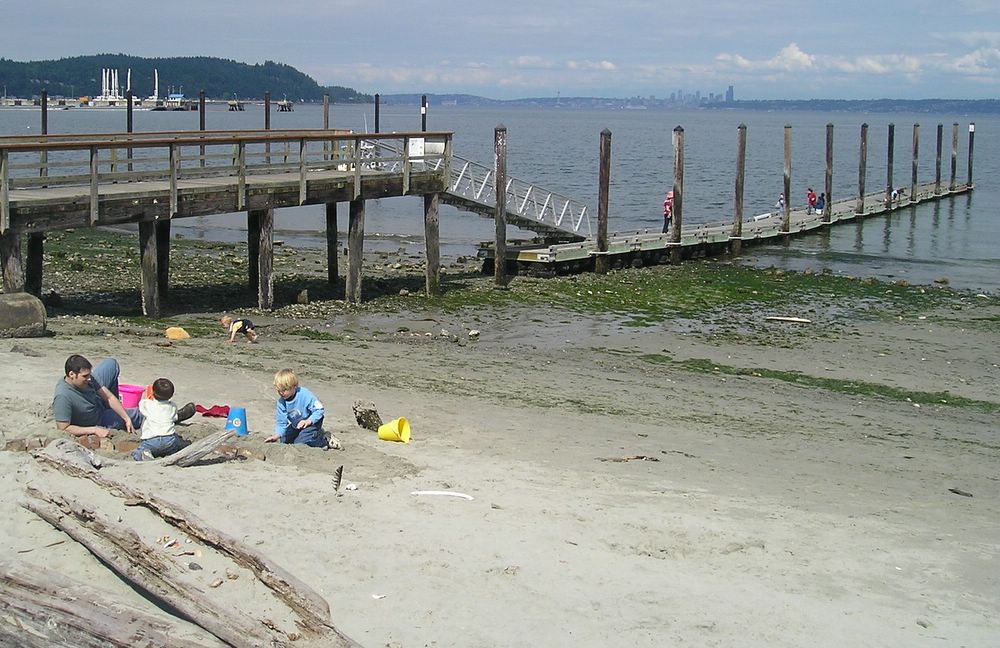
The beach is the draw. Harbor seals and porpoises are regular, and whales do pass this point at times of year, though no sighting is ever guaranteed. On a clear day you get mountains on both sides and water in every direction, and you can visit any morning you choose without a state pass.
Scenic Beach: Hood Canal with the Olympics in front of you
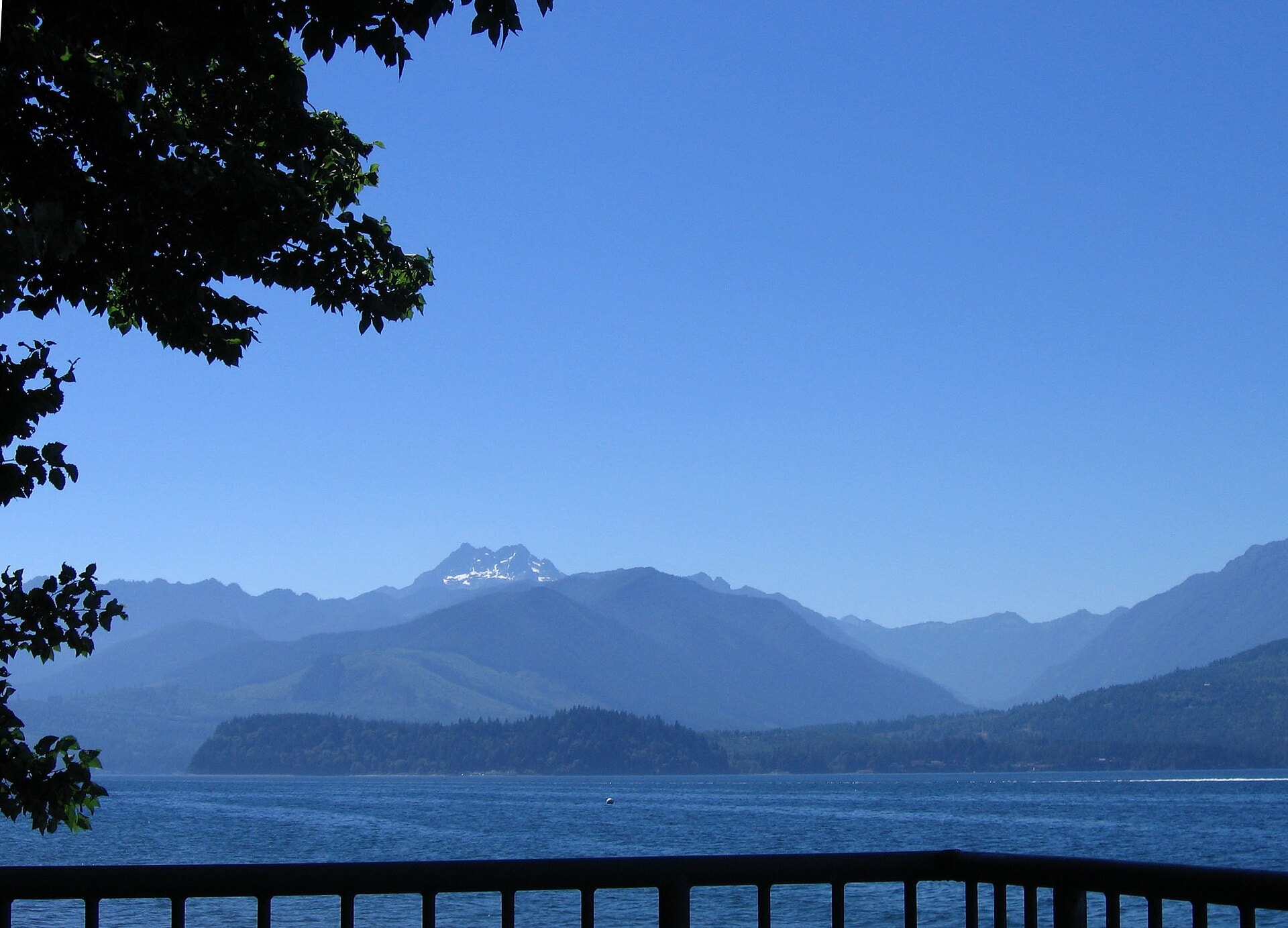
Scenic Beach State Park sits on Hood Canal just outside Seabeck, looking straight across the water at the Olympic Mountains. Behind the beach are forest trails and, in late spring, a show of rhododendrons. The park has 50 standard campsites, half of them open year-round, and the Emel House, a home built in 1911 that now rents for weddings and gatherings.
People do swim here in summer, which surprises newcomers who've only heard about cold Puget Sound water. One current note: Washington State Parks has closed clamming and oyster harvesting at Scenic Beach until further notice because of declining shellfish populations, so leave the bucket at home. A Discover Pass is required, and there's a pay station in the day-use lot.
Manchester State Park: harbor defense on Rich Passage
In South Kitsap, Manchester State Park covers 111 acres with more than 3,400 feet of shoreline on Rich Passage. Around 1900 the Army built it as part of the harbor defenses protecting the Bremerton shipyard, working with Fort Ward across the water on Bainbridge Island. Its main job was a controlled minefield in Rich Passage, and the mines were stored in what's now called the Torpedo Warehouse, a large concrete building that serves as a picnic shelter today.
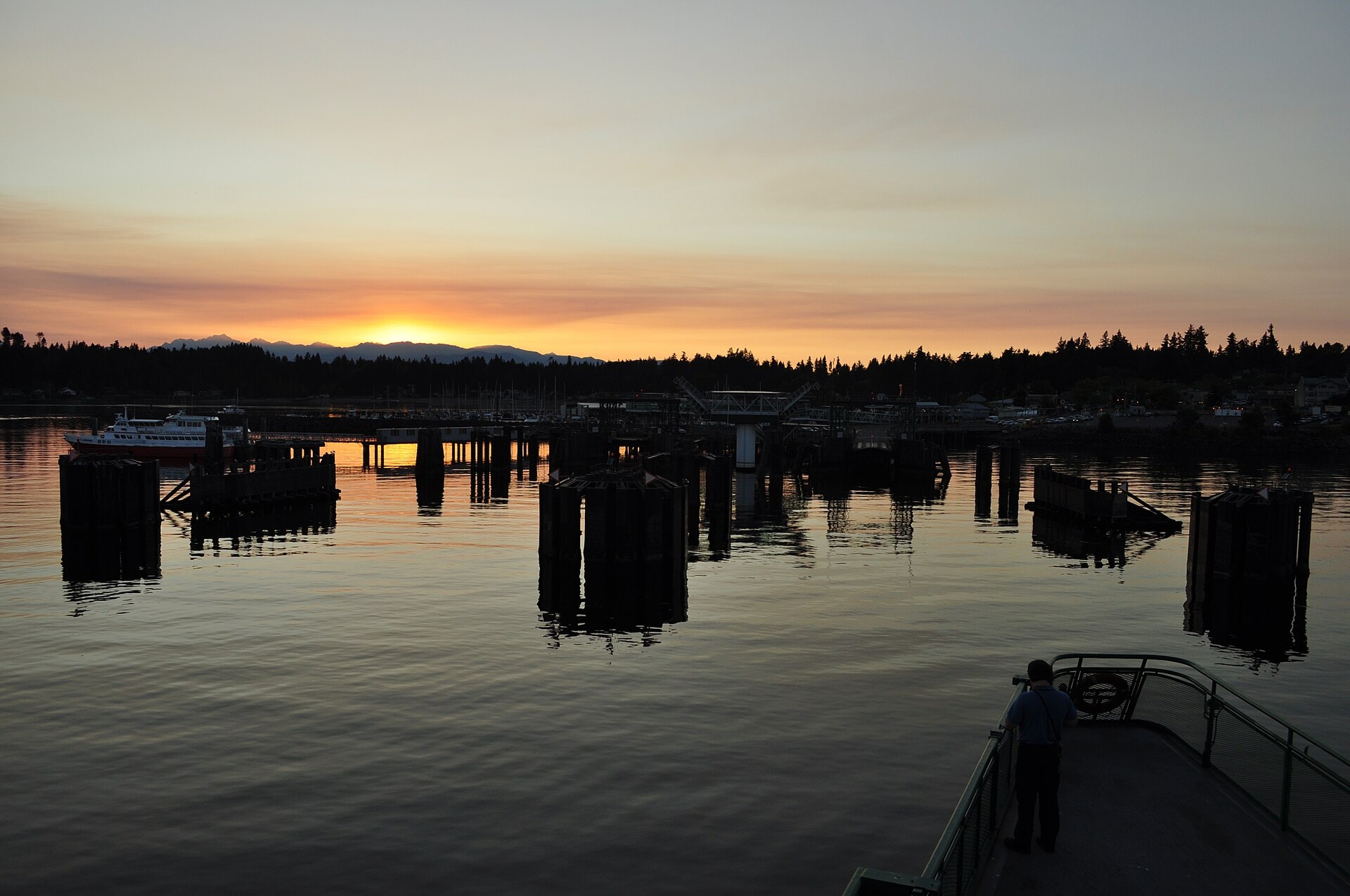
Rich Passage is also the route the Bremerton ferries use, so you get a front-row seat to Washington State Ferries, Navy traffic, and kayakers threading through. Low tides expose good tidepools. Camping is available, and a Discover Pass is required for day use.
Illahee: a forest preserve and a beach on Port Orchard Bay
In East Bremerton, the Illahee Preserve is a Kitsap County Heritage Park of roughly 600 acres, with mature forest that includes stands of old growth and multiple neighborhood trailheads. The video quotes a larger number; the preserve's own figure of about 600 acres is the right one to use. For the homes around it, the forest is genuinely walkable from the front door.
Nearby, Illahee State Park sits on Port Orchard Bay with rocky and sandy beach, a 356-foot dock, forest trails, and a veterans memorial with two guns from the USS West Virginia. The boat launch isn't recommended for trailers. A Discover Pass is required.
Port Gamble Forest Heritage Park: 3,500 acres, no gate
Just south of the Hood Canal Bridge, Kitsap County owns about 3,500 acres of former timberland around Port Gamble. The video quotes a larger acreage; the county's figure of roughly 3,500 is the one to trust. Dozens of miles of trails serve hikers, mountain bikers, and horseback riders. From the bluff trails, the trees open without warning onto Hood Canal and the Olympics.
There's no reservation system. You park at one of the trailheads, including the large lot on the Port Gamble end and the newer Stottlemeyer trailhead on the south side, and go. Some sections close periodically for forest thinning under the county's agreement with the former owners, so check closures before you ride.
Why park access belongs in your home search, and what to do next
Here's what most out-of-area buyers miss: in Kitsap, outdoor access is a financial variable, not just a lifestyle one. A home a short walk from the Illahee Preserve, or with trail access into the Port Gamble forest, tends to be priced differently from a comparable house without it. In my experience those premiums still run well below what similar forest or water access costs on the Eastside, but they're real, and your search filters won't surface them.
Deeded or community beach access is the sharpest example. Some neighborhoods have a recorded easement or community tract that gives owners a legal right to a specific stretch of shoreline, and that right transfers with the property. Others only look like they do. Confirm it in the title report and the community's recorded documents, never from listing remarks.
If outdoor access is high on your list, start your search from the land rather than the listings. The map shows where the preserves, state parks, and shorelines sit relative to each town, and the city guides for Kingston, Seabeck, Bremerton, and Manchester cover the neighborhoods closest to each spot. The quiz will weigh outdoor access against your commute and budget, and the compare tool will put two towns side by side once you've narrowed it down.