Almost everyone who calls us about moving to the Kitsap Peninsula asks some version of the same question: how bad is the Seattle commute, really? The honest answer is that there isn't one commute — there are three very different ones, and the right choice depends less on the map than on where you work and how you want to spend those hours. We took the time to test all three, and here's how they actually shake out.
Driving around — the long way through Tacoma
There's no bridge from Kitsap straight into Seattle, so driving means going the long way — south through Gorst, down Highway 16, over the Tacoma Narrows Bridge, and up I-5. On paper it's the option that keeps you in control of your own car and schedule. In practice it's the slowest and most punishing of the three at rush hour.
From central Kitsap you're realistically looking at somewhere around 90 minutes to two hours each way on a bad morning, and I-5 through Tacoma and south Seattle is rarely a kind stretch. People do it — usually because their job site has no ferry-friendly option — but almost no one enjoys it, and few keep it up for long.
The ferry — walk-on or drive-on
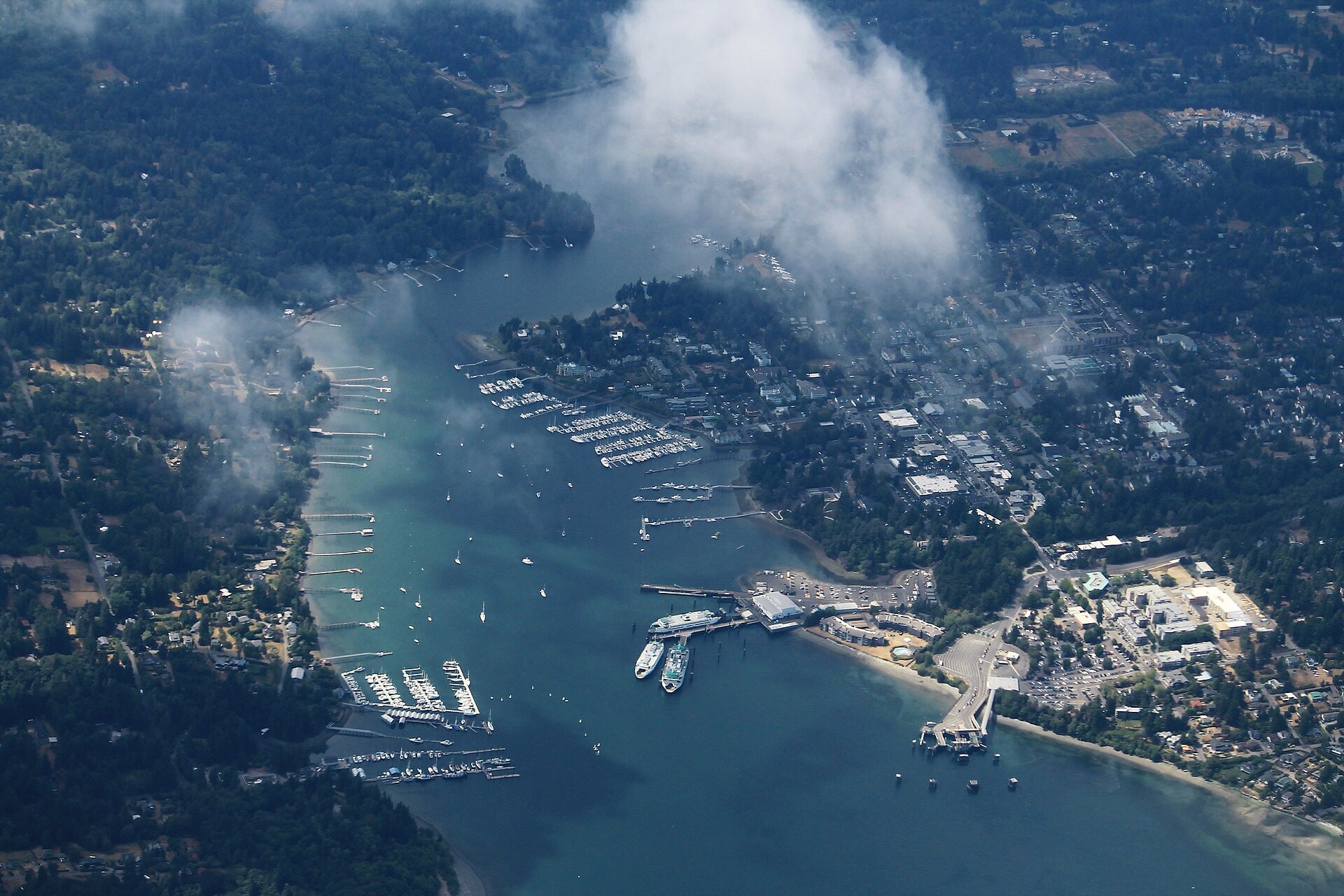
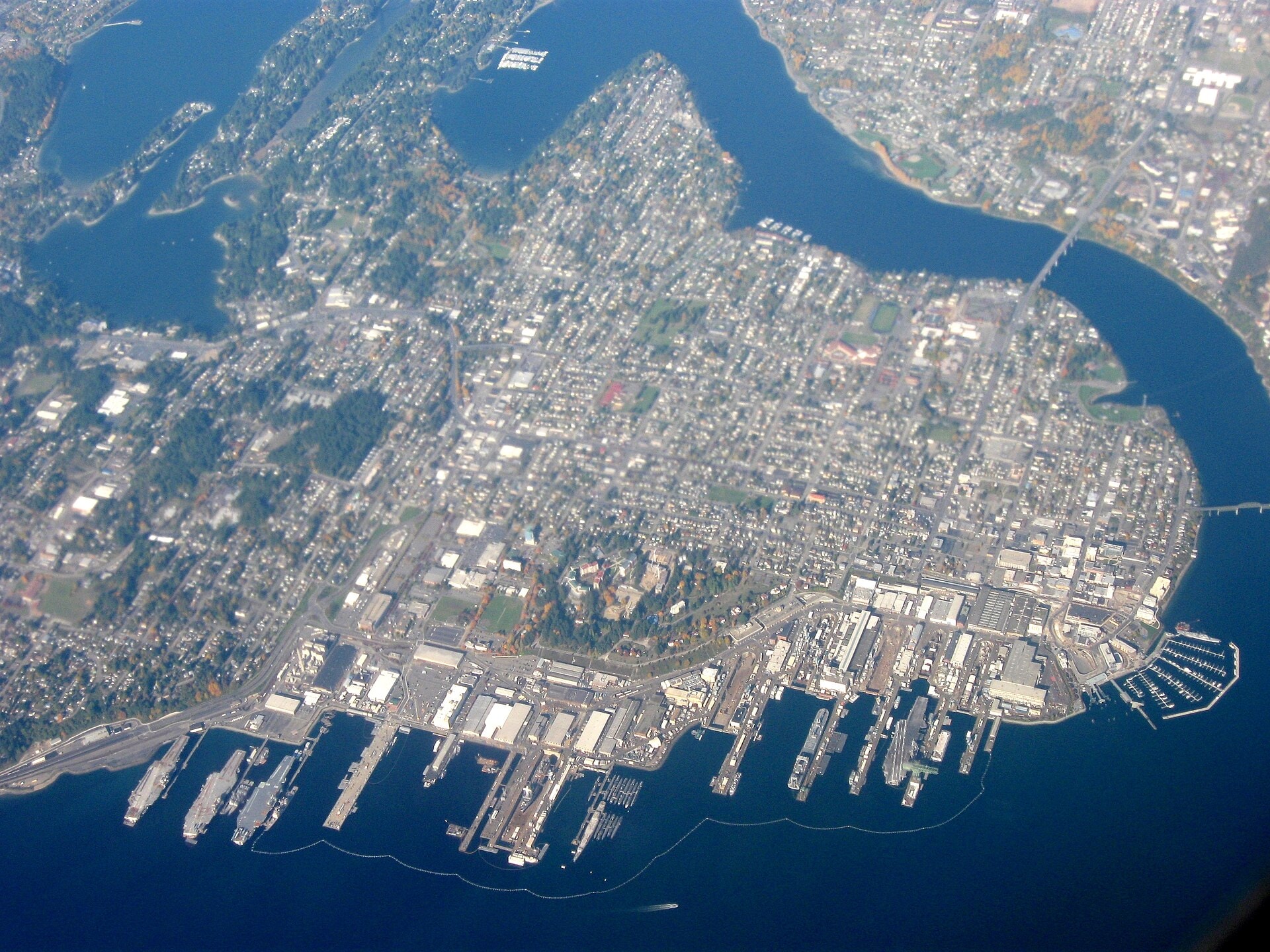
For most Seattle-bound commuters, the ferry is the reason to live over here at all. Bainbridge to downtown is roughly 35 minutes on the water, and if you can walk on from a home near the terminal, the crossing becomes reading, email, or coffee time instead of white-knuckle driving. Bremerton pairs a car ferry with a fast passenger boat, and there are north-end options from Kingston too.
The catch is honest and worth repeating: the schedule runs your day. Walking on is far cheaper and skips the sailing-wait line, but it only works if both your home and your job sit close to a terminal. Driving on gives you your car on the far side, but it costs more and means arriving early on the busy sailings. Miss a boat and you're simply waiting for the next one.
Working remote — the quiet winner
The third option is the one that has quietly reshaped this whole market: not commuting at all. A lot of the buyers we work with now are remote or hybrid, crossing to Seattle only a day or two a week. That changes the math entirely — a ferry ride you take twice a week is a pleasure, not a grind, and it opens up towns that would be unthinkable as a daily drive.
If you're going this route, the one thing to nail down before you buy is your internet, because rural Kitsap connectivity is genuinely uneven. But for people whose office is a spare bedroom, the commute question mostly answers itself.
Test your own version before you commit
The only commute that matters is yours, door to door, on a real weekday. Our commute calculator estimates that trip — ferry legs included — from every community out here to Seattle and the region's other job hubs, so you can compare the car, the boat, and the hybrid life side by side before you fall for a particular town.