Most people arrive believing Washington is a financial no-brainer: no income tax, mountains out the window, done. That's half true. The tax advantage is real, but it can disappear into a single mortgage payment if you buy at a price your budget can't carry, and the same house can cost roughly twice as much depending on which side of the mountains you land on. Here are the pros and cons I walk every relocating buyer through, each with its catch or its upside, and current numbers rather than vibes.
Pro: no tax on your paycheck, with one new asterisk
Washington doesn't tax wages. If you're coming from California, Oregon, or New York, the slice of every paycheck that used to go to the state stays with you from your first Washington payday. For a typical salaried household that's a structural, every-month advantage, not a one-time rebate.
The state collects in other ways. There's a 7% capital gains tax on long-term gains above a standard deduction ($278,000 for 2025), rising to 9.9% on the portion over $1 million, and the Department of Revenue exempts real estate sales from it entirely, so selling your house doesn't trigger it. The estate tax exclusion is about $3 million.
The asterisk is new. In March 2026 the governor signed SB 6346, a 9.9% tax on household income above $1 million, scheduled to start in 2028 with first payments in 2029. A voter initiative to repeal it was certified for the November 2026 ballot and legal challenges are pending, so check its status when you read this. Either way, it doesn't touch the overwhelming majority of households.
Pro: the outdoors is an after-work thing
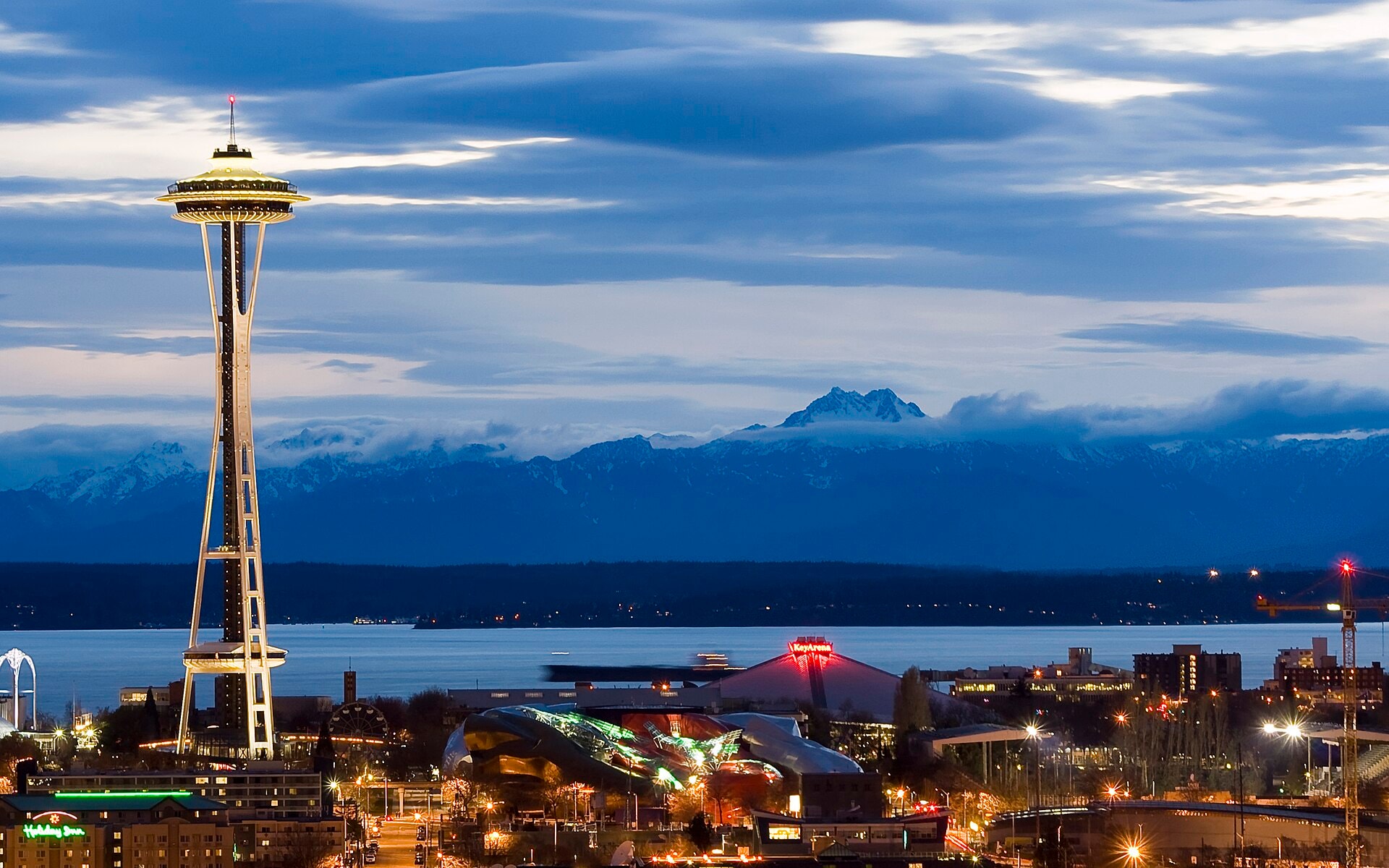
Washington has three national parks: Mount Rainier, Olympic, and North Cascades. Add saltwater, islands you reach by boat, the Pacific coast, and a temperate rainforest, and the point isn't that nature exists here. It's that it's close. From most of the metro you can be on a trail or on the water within an hour. On my side of the Sound, I have clients who kayak before their first meeting and pull oysters off their own Hood Canal beach.
Summers are the payoff for the gray. July through September tends to be dry and mild, without the humidity or the week of 100-degree days much of the country plans around, and it stays light past nine in late June. People who only know the Seattle rain stereotype are usually stunned by their first summer.
Con: the house price depends on which side of the mountains you pick
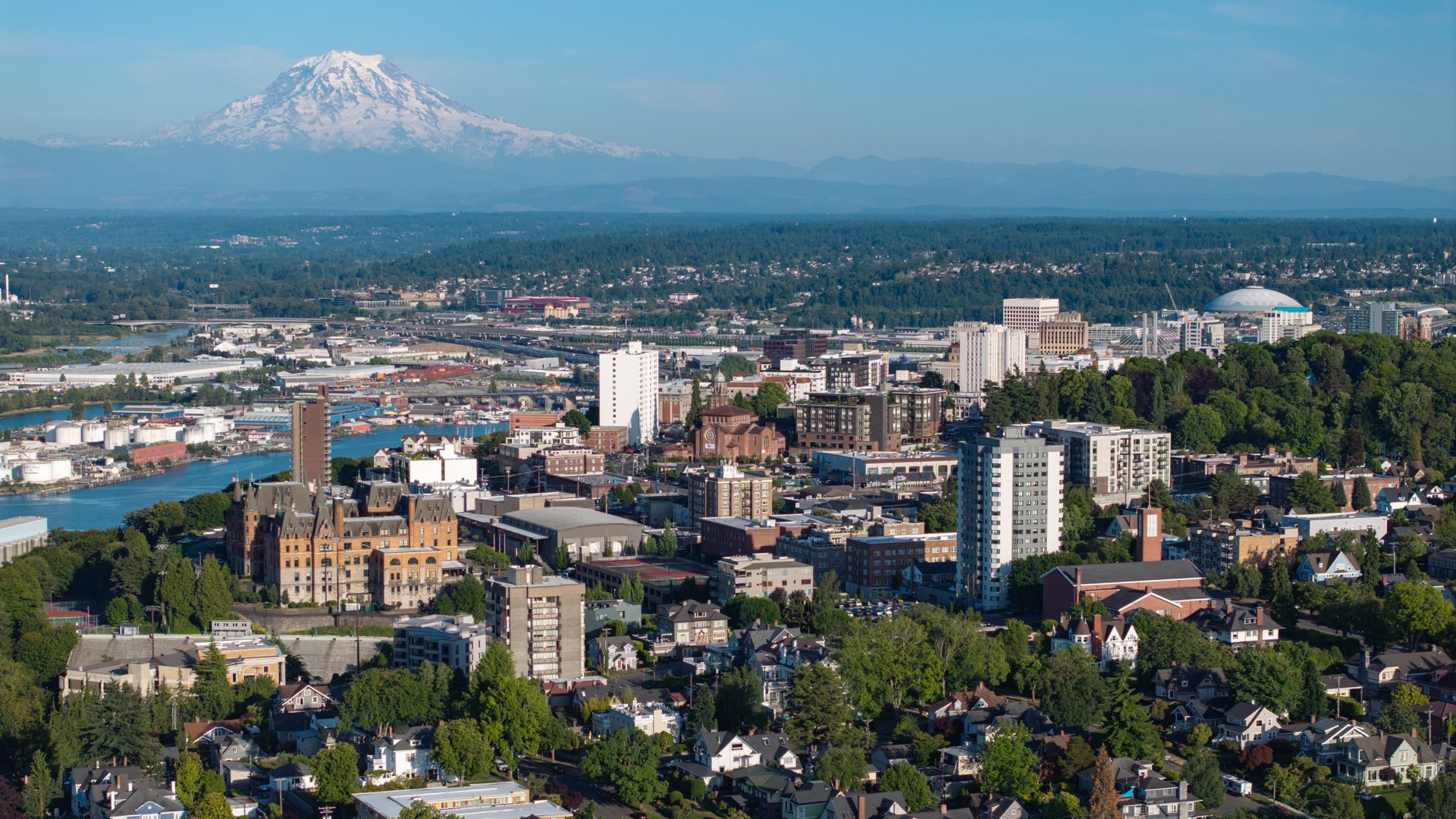
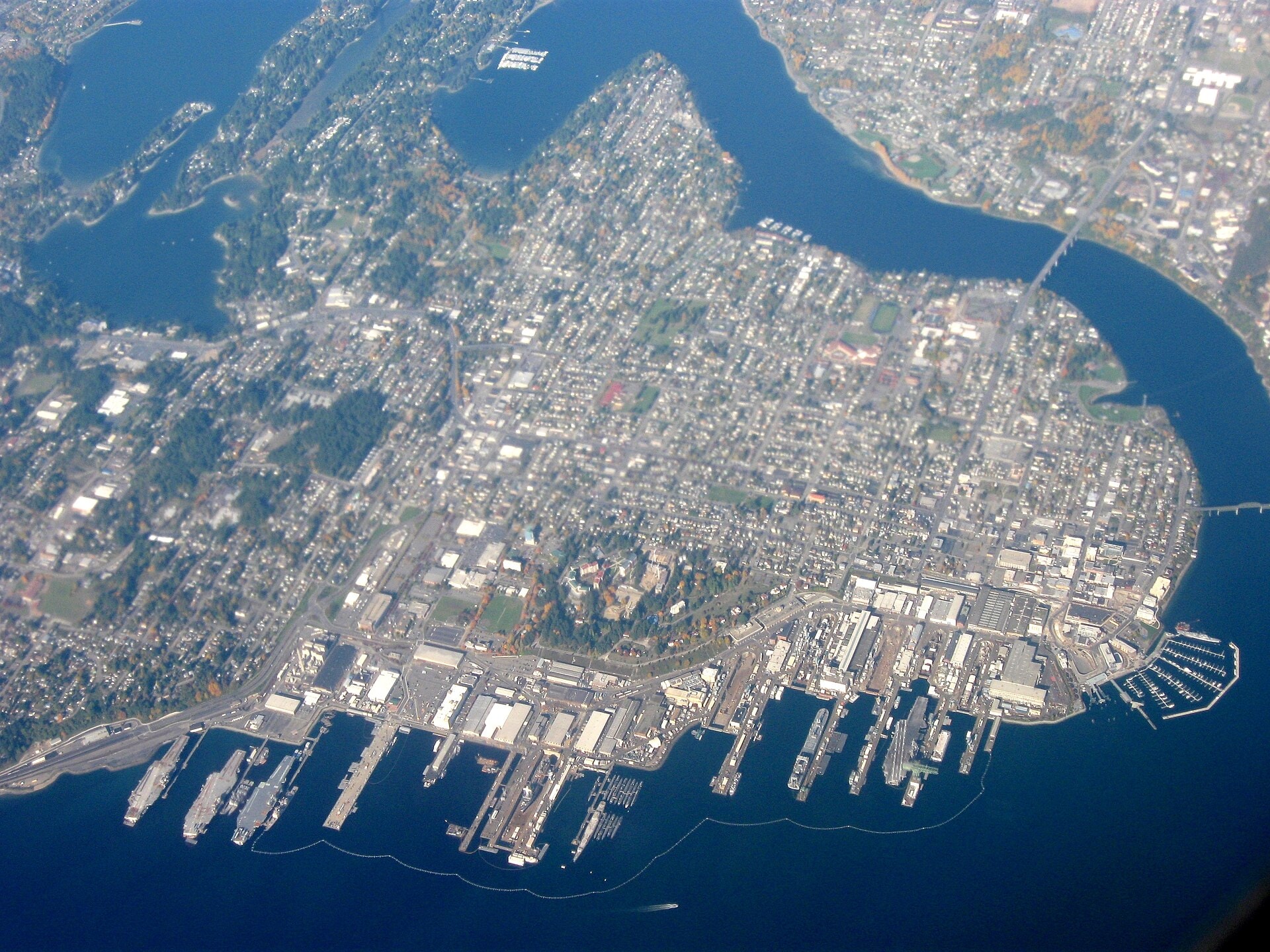
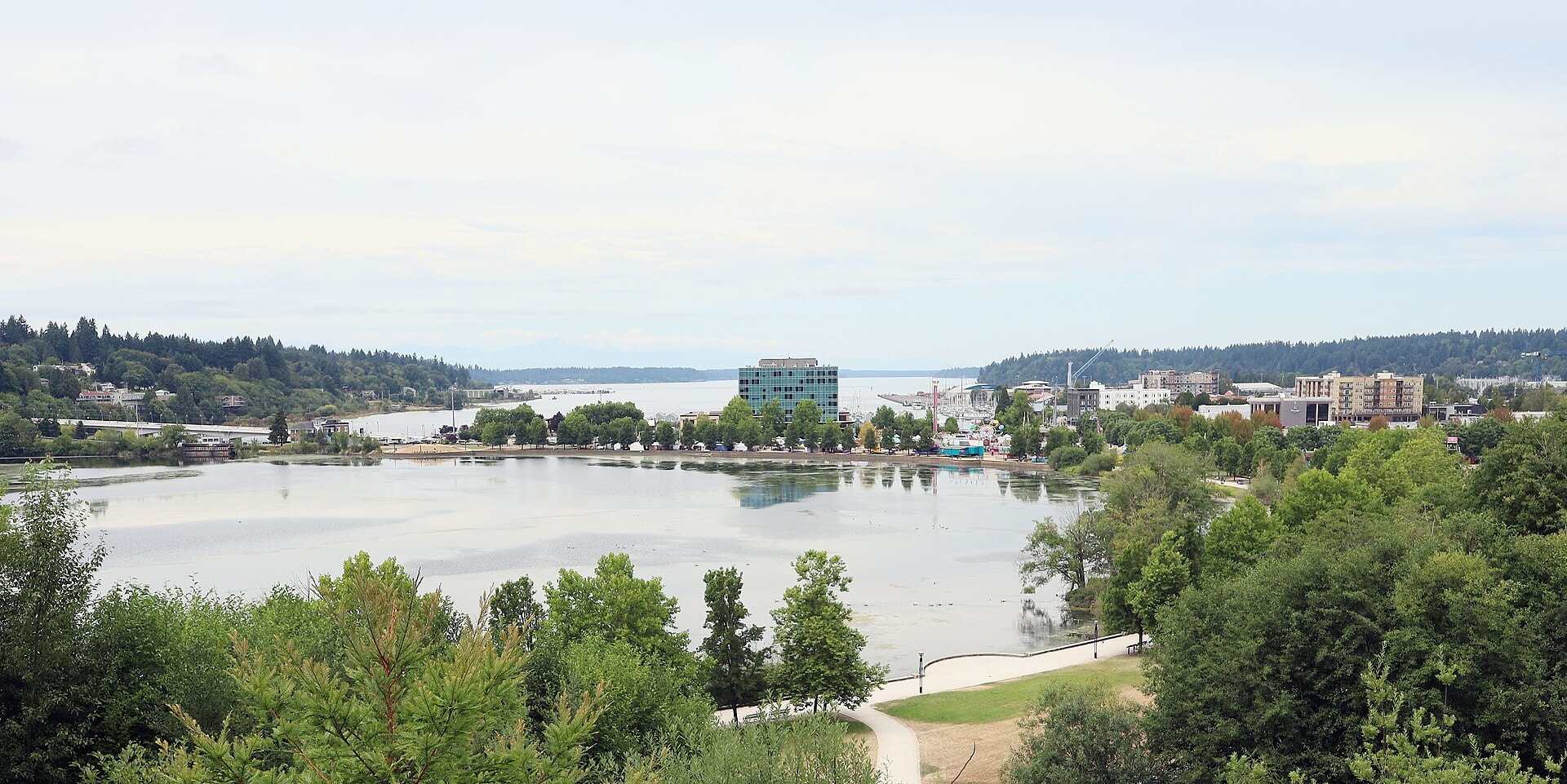
This one decision matters more than the taxes, the weather, and the ferries combined. King County's median sale price was $950,000 in September 2026 (NWMLS). Zillow put Seattle's typical home value at about $823K and Bellevue's at about $1.39M that month. Move south and west and the numbers fall: Zillow had Tacoma at about $483K, Olympia at about $526K, and Bremerton at about $479K, and Kitsap's county median sale price was $595,000 (NWMLS). Cross the Cascades to Spokane or the Tri-Cities and prices generally drop further still. Same state, same tax system, very different markets.
I see the effect constantly. One remote-working couple I helped was set on Seattle, looked hard at the monthly payment, and bought across the water in Kitsap instead. Same jobs, same income, a far smaller mortgage, and a water view they couldn't have touched in the city.
The 2026 market is also friendlier to buyers. Kitsap was carrying 3.0 months of supply with 865 active listings in September 2026, and Pierce 3.7 months with 3,079 active (NWMLS). More choice, more time to think, more room to negotiate than the bidding-war years.
If you're selling here later, budget for the real estate excise tax, which the seller usually pays. The state rate is graduated: 1.1% up to $525,000, 1.28% up to $1,525,000, 2.75% up to $3,025,000, and 3% above that, with local REET added on top. On a $750,000 sale the state portion alone is about $8,655. Those thresholds adjust upward for sales starting January 1, 2027.
Con: you don't buy a house, you buy a commute
The roads feel fine when you tour on a Saturday. Then you start the Monday drive. Where you work can change which towns make sense by six figures on the price and an hour a day on the clock, so pick the commute first and the house second. Drive your real route at your real start time, 5 p.m. on a Wednesday rather than noon on a weekend, before you fall for an address.
Tolls are part of that math. The SR 520 bridge and the SR 99 tunnel use rates that rise at peak times, which is exactly when commuters cross. The Tacoma Narrows Bridge is simpler: WSDOT charges only on trips headed to Tacoma, $4.50 with a Good To Go pass.
The ferries: a pro and a con on the same boat
Washington State Ferries is the largest ferry system in the country, and on my side of the water it isn't a tourist ride, it's the road. On a clear morning with coffee in hand and Rainier glowing off the stern, there is no better commute anywhere. WSDOT lists the Seattle-Bainbridge crossing at about 35 minutes and Seattle-Bremerton at about 60.
The catch is cost and reliability. The Transportation Commission approved fare increases averaging 3% in October 2025 and again in May 2026, raised the summer peak-season surcharge on single vehicle fares to 35% on all routes from May through September, and the Legislature directed a new fee to recover card-processing costs. The bigger issue is an aging fleet with thin spare capacity, which means canceled sailings. Kitsap Transit's passenger-only fast ferries help, but in September 2026 the Bremerton route lost 14 daily sailings when the state money funding the extra trips ran out.
If you're buying on this side of the water, check the house, then check the route: the sailing schedule against your work hours, and your backup plan for the morning a boat goes down.
The daily cons: gray winters and taxes at the register
The rain reputation is mostly a cartoon. It's rarely dramatic downpours; Seattle's total annual rainfall is lower than many East Coast cities'. What actually matters is the gray: a long, soft, overcast stretch from about November into spring when the light goes flat and the days get short. Some people find it cozy. Others hit February and need a light box and a vitamin D plan. Know which one you are before you sign, ideally by visiting in November.
No income tax means the state leans on other taxes. The state sales tax rate is 6.5%, and local add-ons push combined rates above 10% in Seattle, though most groceries are exempt. The state gas tax has been 56.5 cents a gallon since July 1, 2026, according to the Department of Licensing. You don't feel it on payday; you feel it at the register and the pump, in small bites all month. For most people arriving from a high income tax state, the trade still comes out ahead.
Why people keep coming, and the math to run tonight
Weigh all of that and one fact cuts through it. The Office of Financial Management estimated Washington's population at 8,115,100 as of April 1, 2025, with net migration driving most of the year's growth. People keep running this exact math, gray winters and ferry headaches included, and choosing yes. The happiest of them matched their county to their budget before they fell for a specific house.
Here's the homework. Pick two towns: the one you're dreaming about and one a little farther out along your commute or ferry line. Compare the monthly payment on a similar home in each, then multiply that gap across a 30-year mortgage. A difference of $1,000 to $2,000 a month becomes a six-figure decision before you even count what the money could earn invested. Most people make that choice by accident. Make it on purpose.
The compare tool will put the two towns side by side, the budget planner will run the payment gap, and the cost-of-living page and commute calculator will fill in the rest of the picture.