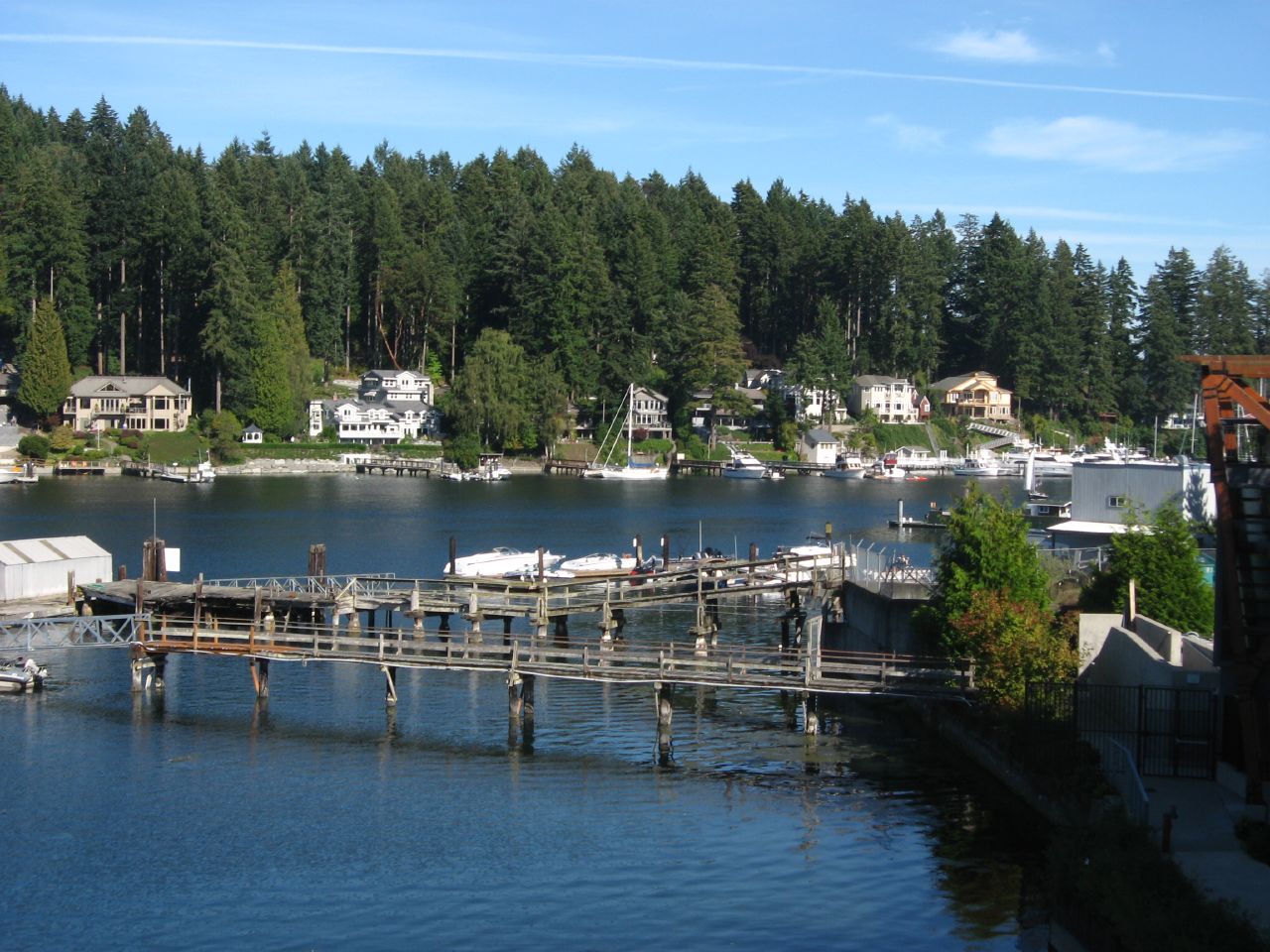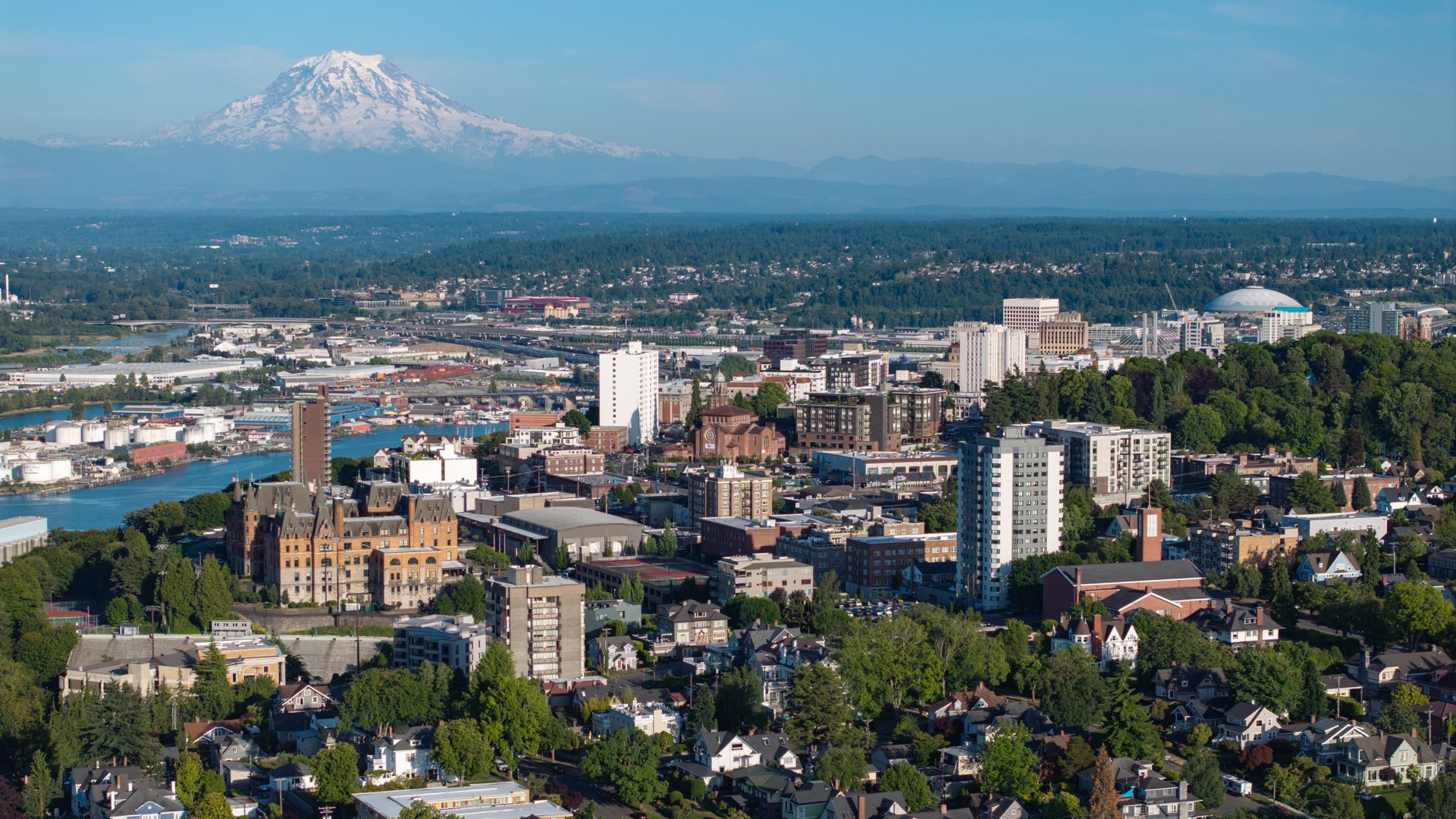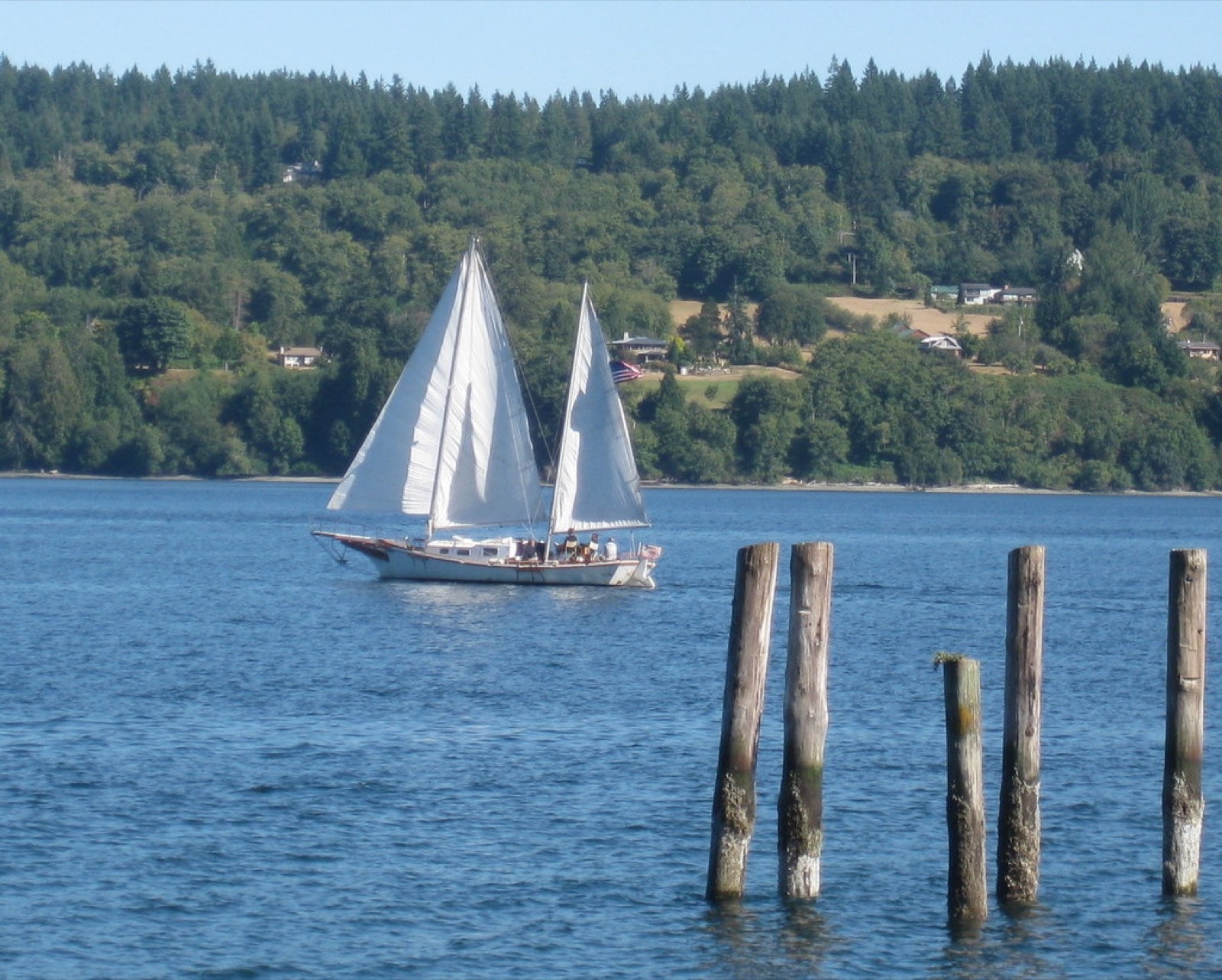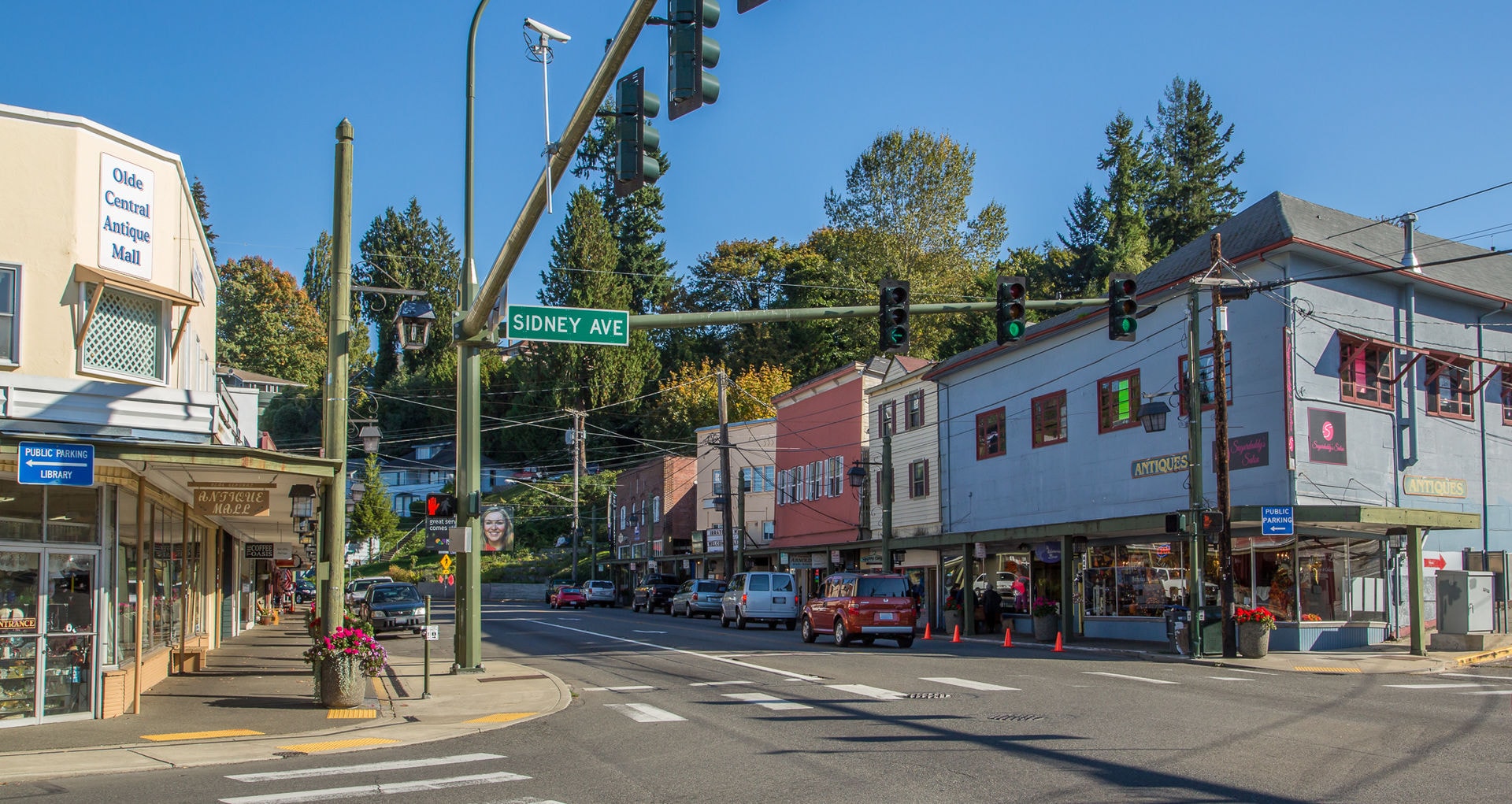
Gig Harbor sells itself on a postcard: boats in the harbor, a historic waterfront, and Mount Rainier hanging over the water on a clear morning. That part is real. What the postcard leaves out is that the name on the envelope covers two very different places, that the Narrows Bridge toll costs about half of what most newcomers budget, and that the 2026 market gives buyers more room than the frenzy years ever did. Here's the version I walk relocating buyers through before they write an offer.
There are really two Gig Harbors
The incorporated City of Gig Harbor is small. The city puts its limits at roughly 6.1 square miles, and Census estimates have its population at around 12,600. You can cross the whole thing in a few minutes. The Gig Harbor mailing address, though — the one the post office, Zillow, and Redfin attach to a listing — reaches across a large stretch of unincorporated Pierce County, out through Rosedale and Purdy and toward the Key Peninsula. Two homes can both say "Gig Harbor, WA" and sit fifteen minutes apart under completely different rules.
That difference shows up in three places. Inside city limits you generally get city streets, city police, and city water and sewer. Outside them you're under county roads and the Pierce County Sheriff, and you may be on a private or shared well and a septic system. Neither is bad, but a septic system means an inspection before you buy, a pumping schedule after, and an eventual replacement cost, and a well means you own your water supply and the pump that runs it.
Carrying costs differ too. Property tax depends on the specific taxing districts a parcel sits in, so two homes at the same price can carry different annual bills. Pull the actual tax amount for each parcel from the Pierce County Assessor-Treasurer instead of estimating.
So the first question isn't whether you can afford Gig Harbor. It's which Gig Harbor you're buying into. One out-of-state couple I worked with spent weeks comparing downtown waterfront listings against a rural acreage parcel they'd also seen online, and decided their budget didn't work. It worked fine. They were comparing two different products. Once we split the map into its real pockets, they found a place they loved that they'd never have searched for on their own.
What a Gig Harbor home costs in 2026
Zillow put Gig Harbor's typical home value at about $811K in September 2026. For context, Pierce County's median sale price was $580,000 that month (NWMLS), and Zillow had Tacoma at about $483K and University Place at about $648K. Across the bridge in Kitsap, Olalla sat around $715K and Port Orchard around $556K. The base Gig Harbor premium over Tacoma is in the neighborhood of $330,000 before you get anywhere near the water.
Within that average the spread is wide. Downtown waterfront and view homes are a tier of their own and run far above the area's typical value. In-town entry-level homes sit below it. Cross the Purdy Spit onto the Key Peninsula and entry-level homes get noticeably more reachable. Be careful with headline medians in a market this small: a handful of big waterfront closings can move a single month's number, which is why you'll find five different "Gig Harbor prices" online, all technically correct and each measuring a different slice.
I'd frame the premium as a lifestyle cost, not a rip-off or a bargain. You're paying for water access, a walkable historic waterfront, and the bridge between you and the city's density. Whether that's worth it is personal math. I've had a buyer see the number and walk away, correctly for her life, and another see the same number and say that's exactly what he wanted. Both made a good decision because they made it with the numbers in front of them.
The Narrows toll is half what you think
If you work in Tacoma, Seattle, or at Joint Base Lewis-McChord, you'll cross the Tacoma Narrows Bridge, and the most common mistake I hear is people doubling the toll in their heads. WSDOT collects it only on trips headed to Tacoma. Coming home to Gig Harbor is free. For a two-axle vehicle WSDOT lists $4.50 with a Good To Go pass, $4.75 with Pay By Plate, $5.50 at the toll booth, and $6.50 by mail.
Run it honestly. One paid crossing per workday at the pass rate is about $95 to $99 a month, or roughly $1,170 a year for a 260-workday commuter. That's real money, but it's half of what people who double it scare themselves with, and that imaginary extra thousand-plus a year has talked people out of houses they would have loved. Set up a Good To Go account the week you go under contract.
Timing matters more than mileage. Eastbound SR 16 backs up toward the bridge in the morning, and the westbound side near Gig Harbor fills in the afternoon. Buyers on early or late shifts often barely touch it; a nine-to-five commuter can hit it both ways. Drive your route at your real hour before you fall for a house.
Is Gig Harbor a buyer's market in 2026?
If your mental model of Gig Harbor comes from the multiple-offer years, update it. Pierce County was carrying 3.7 months of supply in September 2026 with 3,079 active listings (NWMLS), and the county median was up only 1.9% year over year. My rule of thumb is that once supply runs above roughly three months, leverage starts shifting toward buyers, and parts of the Gig Harbor market are well past that line. Homes are sitting longer and closing further below list than they did a few years ago.
The segment with the most room is new construction in the upper price bands. When a builder has finished homes sitting unsold month after month, the incentive to deal changes. Builders usually protect the headline price, so don't just ask for a price cut. Ask what they'll include: a rate buydown, closing-cost credits, upgrades, an appliance package. Buyers who still negotiate as if it's the frenzy are leaving those concessions on the table.
Build the monthly budget in layers
Start with principal and interest, then stack the parcel's actual property tax, homeowners insurance, and any HOA dues on top. HOAs here range from modest to a few hundred dollars a month in communities with shared docks, private roads, or amenities, so ask the number on every home. The buyers who end up house-poor in Gig Harbor are almost always the ones who budgeted only the first layer.
Then put Washington's tax structure on the scale. The state doesn't tax wages, which for a household arriving from California or Oregon can offset a meaningful slice of the Gig Harbor premium. The one asterisk is new: the Legislature passed a 9.9% tax on household income above $1 million in 2026, scheduled to start in 2028, and a voter repeal initiative and court challenges are pending. For the large majority of households it never applies.
If you're not sure which pocket fits, renting first can be the smartest money you spend. It lets you learn the neighborhoods, drive the bridge at your commute hour, and live through a November before you commit a down payment.
What a normal week feels like
The water is the point. Downtown runs along Harborview Drive, curving with the shoreline past the marina and Jerisich Dock, where boaters tie up and walk to dinner. A genuinely walkable working waterfront is rare in the South Sound, and it's a big part of why the premium exists. Parks, trails, and saltwater access are minutes from most homes, so getting on the water becomes a Tuesday-after-work thing rather than a summer-vacation thing.
The Peninsula School District serves the area. Treat schools like any other facility: map the actual buildings from the specific address you're considering, the same way you'd check the drive to the grocery store or the bridge.
The weather is classic western Washington. The gray season is long, and the short, dim days from November into February wear on some people. Visit in November if you can, not just July. July sells itself. November tells you the truth.
Who Gig Harbor fits, and what to do next
Gig Harbor works well if your income carries the premium comfortably rather than with a stretch, if you work remotely or have a short commute or don't mind a planned bridge crossing, and if you actually value what you're paying for: the water, the walkable downtown, the separation from the city. It's the wrong move if you're stretching just for the address, if you'd be crossing the bridge at peak twice a day and already know you'll resent it, or if your real budget is under about $700,000 and you're honestly comparing it against Tacoma. In that case look hard at North Tacoma and University Place first; you may get more house and no bridge at all.
The bonus advice: don't move to Gig Harbor. Move to a specific pocket at a price tier that matches your commute and your budget, whether that's the Key Peninsula for value, Purdy as the in-between, or downtown if the income truly supports it.
Put Gig Harbor head to head with Tacoma, University Place, and Port Orchard in the compare tool, run your actual crossing through the commute calculator, and check the cost-of-living page for the full monthly stack. The map will show you exactly where the city limits end and the county begins.