Once you decide to move to Western Washington, the clock starts whether it feels like it or not. Ninety days out usually feels too early to do anything real, so people spend it browsing listings and imagining. That is the mistake. Day 90 is the last point where every big decision can still be made calmly, with time to change your mind, and the moves that go badly almost always skipped it. Here is what to lock down in that window, and in what order.
Ninety days is a decision window, not a head start
The four decisions that shape a relocation are the same whether you start early or late: which region, what budget, rent or buy, and whether the internet works where you want to live. Waiting does not remove any of them. It stacks them into the same two weeks as giving notice, booking movers, and packing a house.
Sequence is the real advantage. Region narrows the budget question, budget narrows the housing question, and housing decides which addresses you need to check for connectivity. Do them in order at day 90 and the search at day 60 starts from answers instead of guesses.
Pick a region before you pick a house
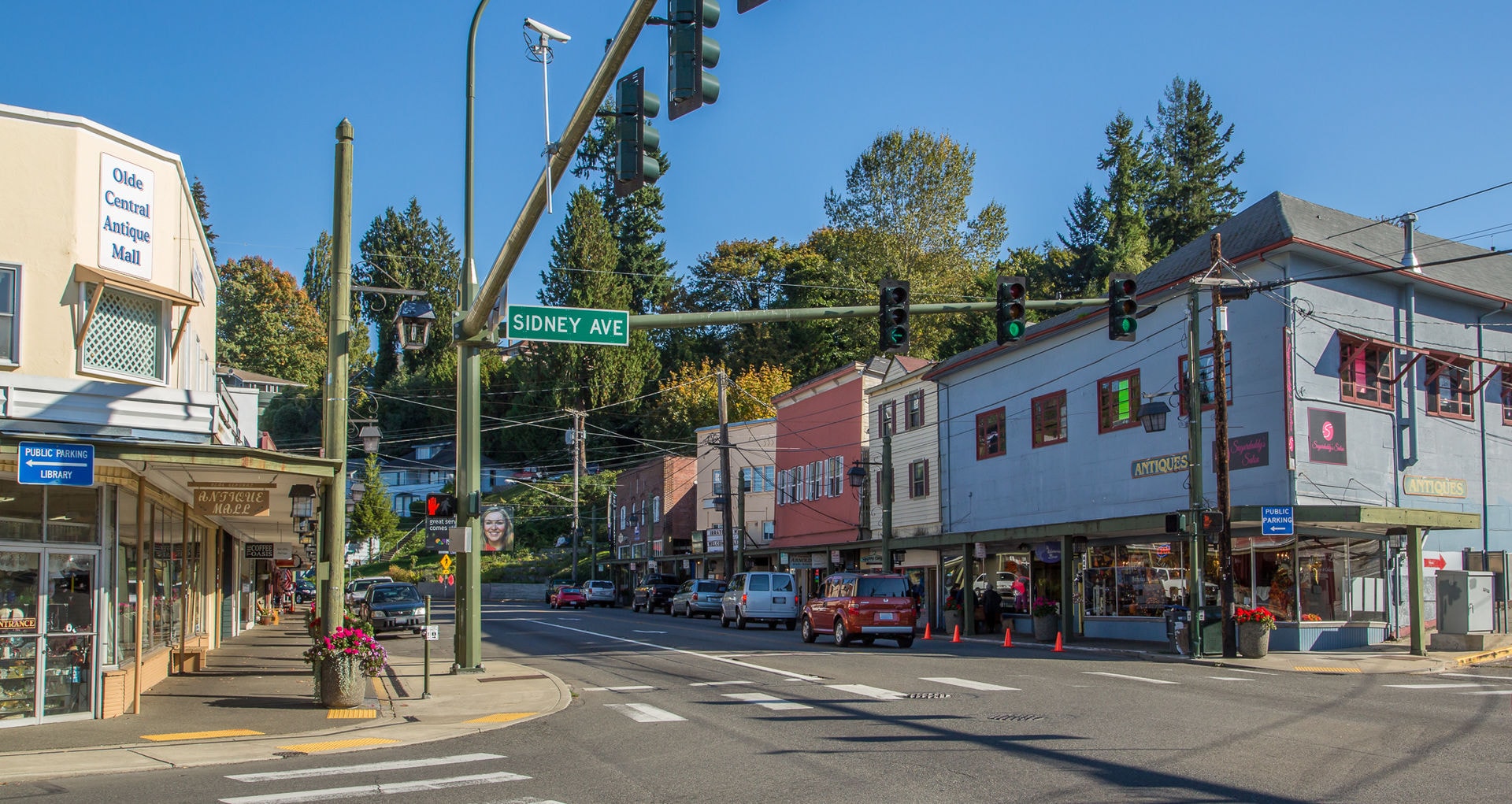
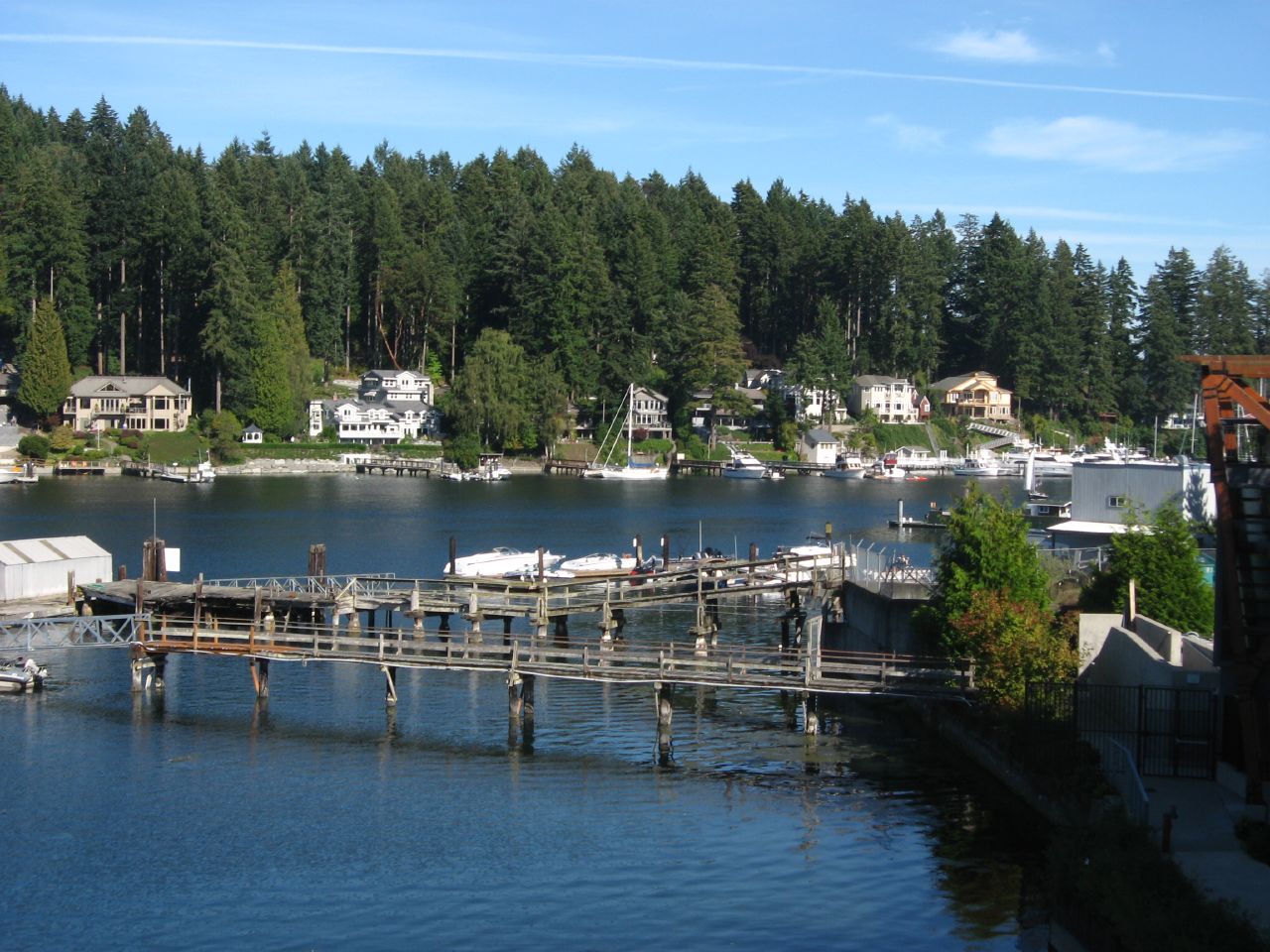
Choosing Washington is not the same as choosing where in Washington. Kitsap, Pierce, and Mason counties sit within an hour or two of each other and run on completely different logistics. Kitsap is the peninsula: water on most sides, towns spread out, and ferries as the link to Seattle. Pierce, around Tacoma, is more built out, with denser commercial areas and shorter drives to services. Mason is the most rural of the three, with larger lots, more well-and-septic property, and longer trips to the nearest grocery store.
None of those is the right answer. The trade is commute and convenience against water, space, and price. Pick the region now because it sets everything downstream: your realistic commute, your price range, and the radius of your home search. Discovering at day 30 that five acres sounded better in a video than it feels in February rain costs you a month you cannot get back.
Prices show how different the regions are. Kitsap's county median sale price was $595,000 in September 2026 and Pierce's was $580,000 (NWMLS). In Mason County, Zillow put Shelton's typical home value at about $419K and Belfair's at about $478K that same month.
Build a short research file for that region
Once the region is roughly settled, use the quiet weeks to pull the boring facts that decide daily life. Where is the nearest hospital or urgent care from each town you are considering? What is the real drive to groceries or the nearest terminal at 8 a.m. on a Tuesday, as opposed to a map estimate at midnight? Which school district serves a given address, if that matters to you?
None of this needs an agent yet. It needs a list started now, so that when you tour homes at day 60 you already know which towns put you 40 minutes from the care or services you rely on.
Get a real number before you browse
The most expensive habit in relocation is falling for listing photos three states away before talking to a lender. Then the real approval comes back, the plan gets rebuilt, and day 90's calm turns into day 40's panic. Call a lender now, not to lock a rate but to get pre-qualified and learn what you can actually borrow.
Self-employed buyers should start even earlier, because lenders typically want two years of tax returns and that income takes longer to document than a W-2. Out-of-state buyers should ask directly about remote closing and electronic notarization so it is confirmed now rather than discovered in closing week.
Rates move weekly. Freddie Mac's Primary Mortgage Market Survey put the average 30-year fixed rate at 7.32% for the week of October 22, 2026, so pull the current figure when you start looking seriously. More useful than the decimal is knowing your payment at two or three price points, so you browse inside your range instead of a fantasy one.
While the lender is on the phone, pull your full credit report yourself and start a document folder: your last two years of returns, current pay stubs, two or three months of bank statements, and business records if you are self-employed. Gathering it at day 90 takes an afternoon. At day 30 it competes with everything else.
Rent first or buy first, on purpose
Many relocators end up renting without ever deciding to. They simply run out of time to buy before a start date. Both paths work when you choose them. Renting first lets you live in a region before committing, which is real value if you have only seen Kitsap or Mason on a single weekend trip. Buying first suits people who have spent real time here already, or who can commit to one tightly planned trip built around serious showings.
If you rent, choose the lease location as carefully as you would a purchase. One new protection is worth knowing: under Washington's Substitute Senate Bill 6237, residential leases entered into after December 31, 2026 must include a landlord disclosure that the property may be in a flood hazard area, that the landlord's insurance does not cover a tenant's belongings, and that county hazard information is available.
Work timing is tangled up in this choice. A two-week notice period, a remote job you are bringing with you, and a firm local start date each create a different runway. Sketch when you will give notice now, because that date often decides whether buying first is realistic.
Check the connection at the exact address
If any of your income depends on being online, this is a day-90 task. Closer-in, built-up areas generally have solid wired service. Farther out, especially on acreage, service can stop at the end of the pavement, and coverage shown for an area does not guarantee your driveway. Rural fiber is expanding across the region, but it is not everywhere yet.
Check the specific address with every provider that claims to serve it, then search the address on the FCC National Broadband Map. Check cell coverage too, since a house can have usable broadband while calls drop as soon as you walk into the yard. Five minutes of checking beats a satellite connection that cannot hold a video call.
What comes after day 90
Day 90 is the first of five stages. Day 60 is the home search itself, plus reserving a moving company while good dates are still open. Day 30 is the paperwork clock: address changes, utility transfers, and confirming the truck. Landing week is when Washington becomes home on paper with licenses and registrations. Then there are the first 90 days after you arrive, which deserve as much planning as the move itself.
Write your four day-90 answers down: the region and two or three towns, your pre-qualified number and comfortable monthly payment, rent or buy and why, and the provider and verified speed at each serious address. Having it on paper keeps day-30 urgency from reopening decisions you already made.
Who this fits and where to start
This plan fits anyone with a target move date and enough runway to choose rather than react. If you are already inside 60 days, do all four items this week. Take the quiz to narrow the region, use the budget planner to test payments at a few price points, check addresses in the internet guide, and work through the moving checklist so every stage lands in order.