There's a spot on the map that South Kitsap buyers rarely think about until they've already moved in — and then they think about it every single day. It's Gorst, the low, narrow stretch where Highways 3 and 16 funnel together at the head of Sinclair Inlet. It looks like nothing on a listing. In reality it's the chokepoint that shapes almost every commute out of South Kitsap, and underestimating it is one of the most common mistakes we see relocating buyers make.
Why one small stretch causes so much trouble
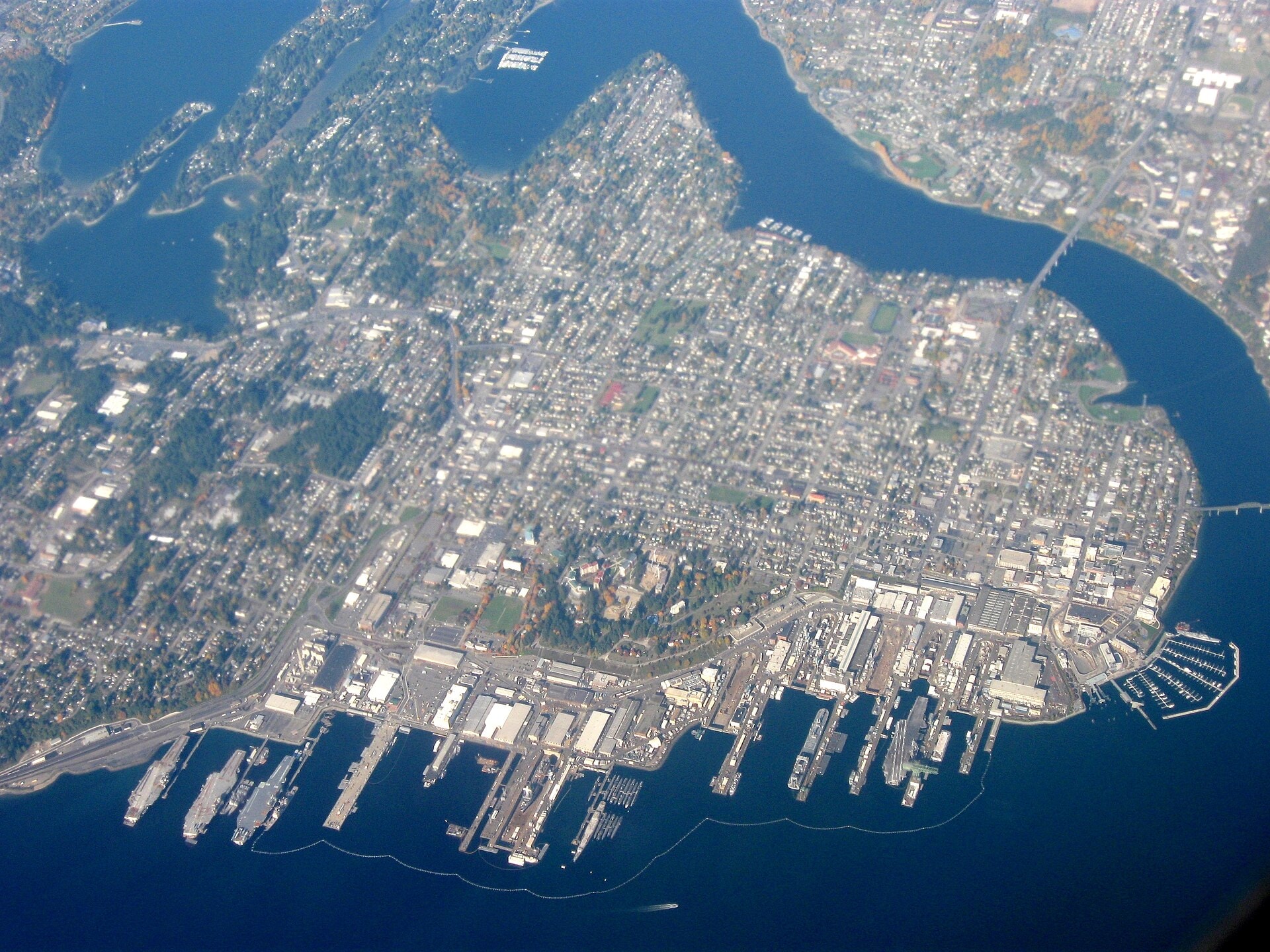
Gorst is where the traffic from Bremerton, Port Orchard, and everything south of them gets squeezed into a tight corridor pinned between the water and the hillside. There's no room to widen it easily, so when volume spikes at rush hour — or when there's a fender-bender, or the tide and weather cooperate against you — the whole thing backs up. Everyone headed toward the Narrows Bridge or up toward Silverdale has to pass through it, and there's no real way around.
The result is that a drive which looks quick and flat on a map can turn into a long, stop-and-go crawl at exactly the times you need to be somewhere. Locals just call it 'Gorst,' as in 'how was Gorst this morning' — and everyone knows what that means.
Who feels it most
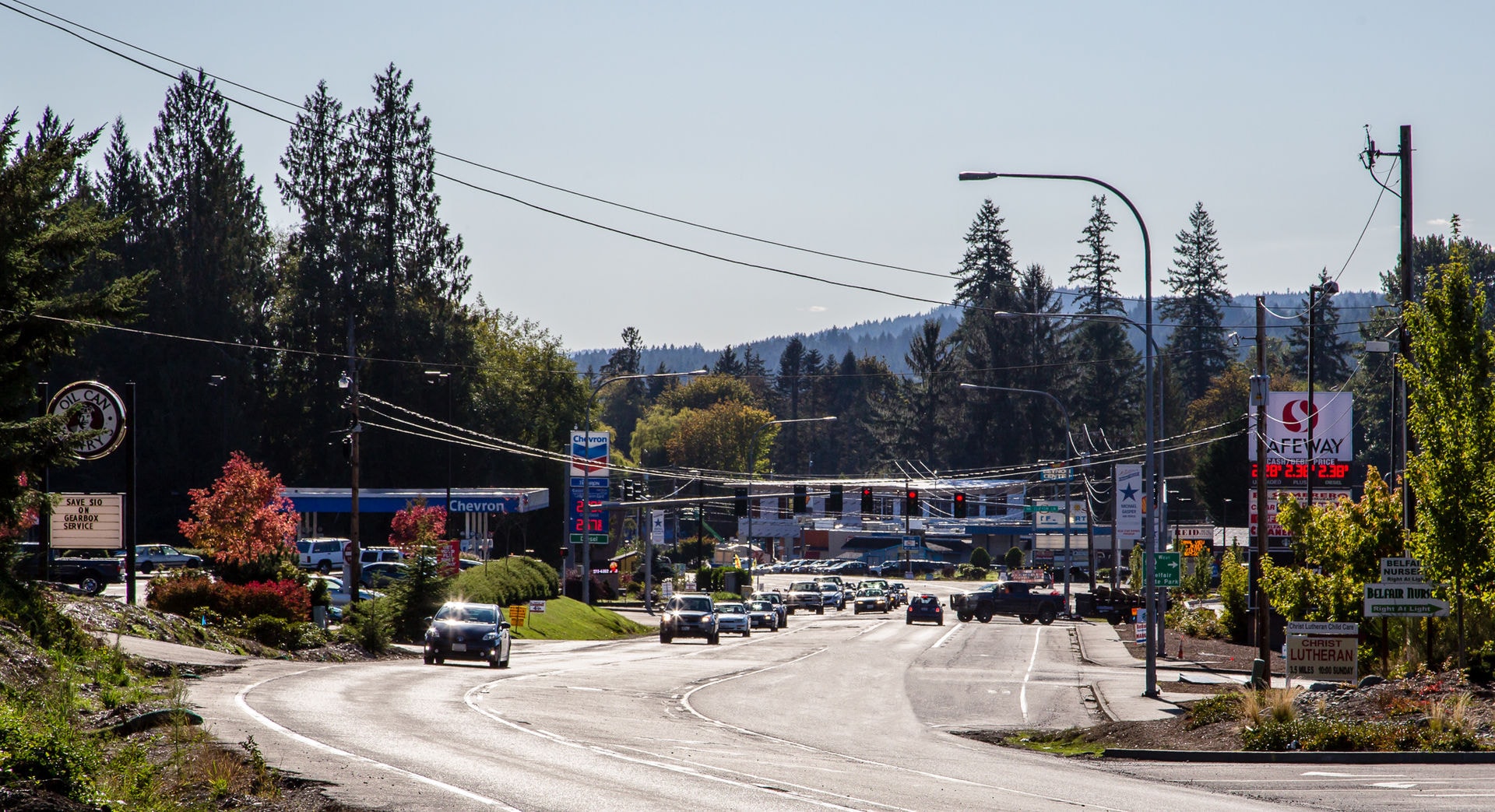
If you're buying in Port Orchard, South Kitsap, or out toward Belfair and you'll commute north or east, Gorst is very likely in your daily path. Anyone driving around to Tacoma and Seattle passes through it, and so does much of the traffic heading to Silverdale for work or shopping. The farther south you live, the more your day depends on this one bottleneck cooperating.
It's not a reason to rule South Kitsap out — the value and the space down there are real. It's a reason to go in with your eyes open about what the trip actually costs at 7:30 on a Tuesday.
How to plan around it
The buyers who handle Gorst well are the ones who account for it before they buy, not after. Sometimes that means shifting work hours to dodge the worst of the peak. Sometimes it means leaning on the Bremerton fast ferry instead of driving around. And sometimes it simply means choosing a home a few miles north so the bottleneck sits behind you rather than in front of you.
The most important step is the simplest: drive it yourself, at rush hour, before you write an offer. Nothing on paper prepares you for it like sitting in it once.
Run the real number, not the map estimate
A mapping app's cheerful mid-day estimate won't tell you what Gorst does to your morning. Our commute calculator builds the honest door-to-door picture — the real corridor congestion included — from South Kitsap communities to the job hubs people actually drive to, so you can see the Gorst effect on your commute before it becomes your daily reality.