If you're planning a move to Western Washington this fall, the ground shifted under you twice in two days. On September 16, 2026, the Federal Reserve raised its benchmark rate by a quarter point to a range of 3.75% to 4%, an increase rather than a cut. The next morning, Freddie Mac's weekly survey put the 30-year fixed at 6.95%, up from 6.76% the week before. Here's what actually happened, what it costs in real dollars, and how to think about rate timing when you're relocating.
What does the Fed actually control?
Less than the headlines suggest. The federal funds rate is what banks charge each other for overnight money. Your 30-year mortgage is priced off something else: the 10-year Treasury yield and the market for mortgage-backed securities, both of which move on what investors expect inflation and growth to do. That's why you'll sometimes see the Fed cut and mortgage rates rise. The bond market had already priced the cut in and moved on.
This time the two moved together, and that's what made the week notable. A 19-basis-point jump in seven days tells you the bond market was genuinely surprised, and surprises are what move rates fast. So don't watch the Fed for your rate. Watch the 10-year Treasury, and watch Freddie Mac's survey every Thursday.
What one week cost in real dollars
Basis points are abstract; payments aren't. Pierce County's median sale price was $580,000 in September 2026 (NWMLS). Put 20% down and you're borrowing $464,000 on a 30-year fixed. Counting principal and interest only, that's about $3,013 a month at 6.76% and about $3,071 at 6.95%. Roughly $59 a month, around $700 a year, and the house, your job, and your down payment didn't change at all.
Widen the lens and it matters more. A year earlier, for the week of September 18, 2025, the survey rate was 6.26%. That same loan would have been about $2,860 a month, so the same purchase now costs roughly $211 more every month because money got more expensive, not because the house did. And the climb continued after this video: the survey hit 7.40% in early October and stood at 7.32% for the week of October 22, 2026, about $3,187 a month on the same loan. That's the difference between the house you qualified for in the spring and the house you qualify for now.
The same rate lands differently in each county
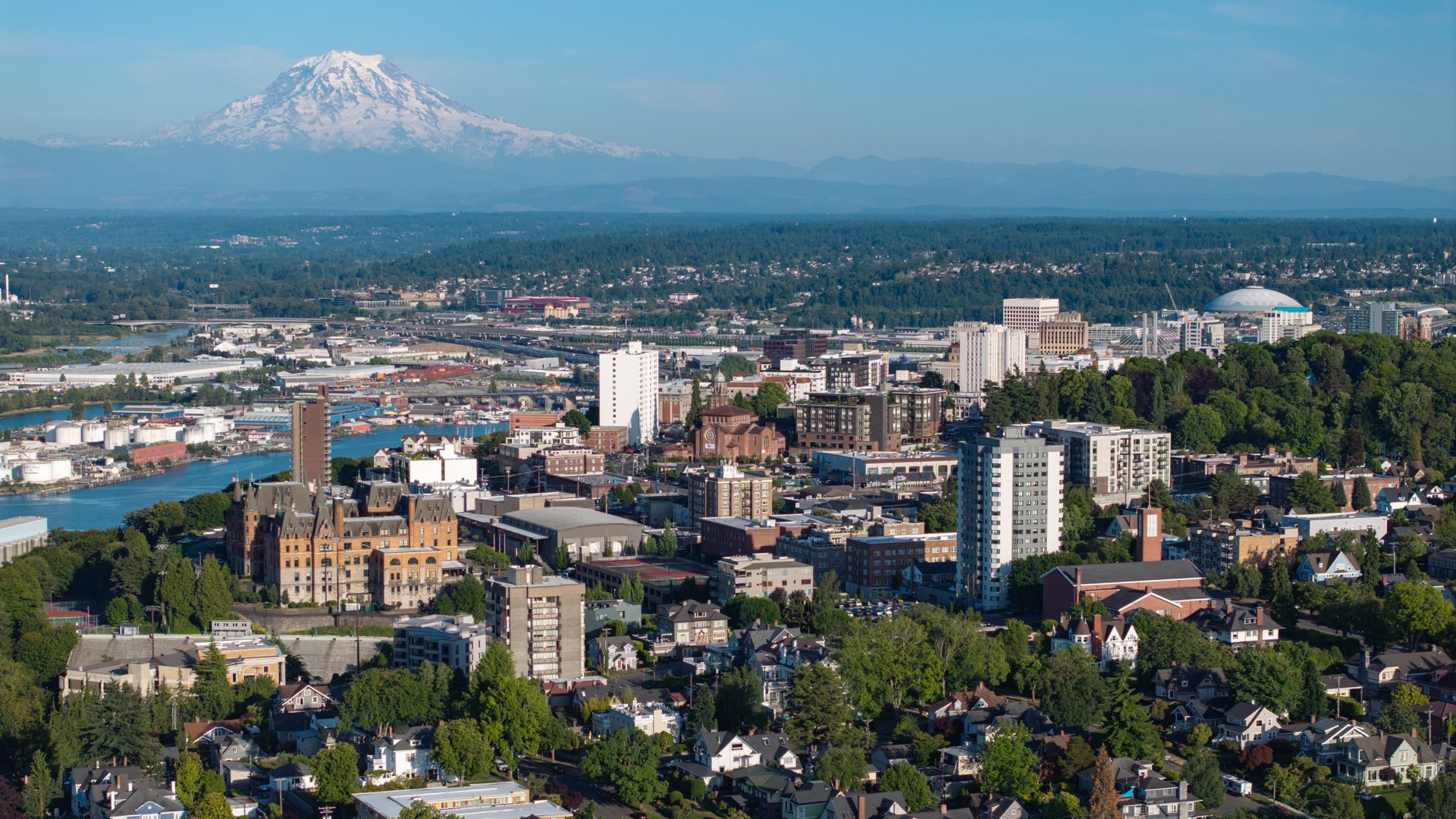
Kitsap County had 3.0 months of supply and 865 active listings in September 2026, while Pierce County had 3.7 months and 3,079 active (NWMLS). Under about three months generally leans toward sellers. Kitsap has stayed comparatively tight in part, in my experience, because so much of its turnover runs on large employers' transfer and assignment calendars rather than on rate movements, so demand there doesn't cool as quickly when rates rise.
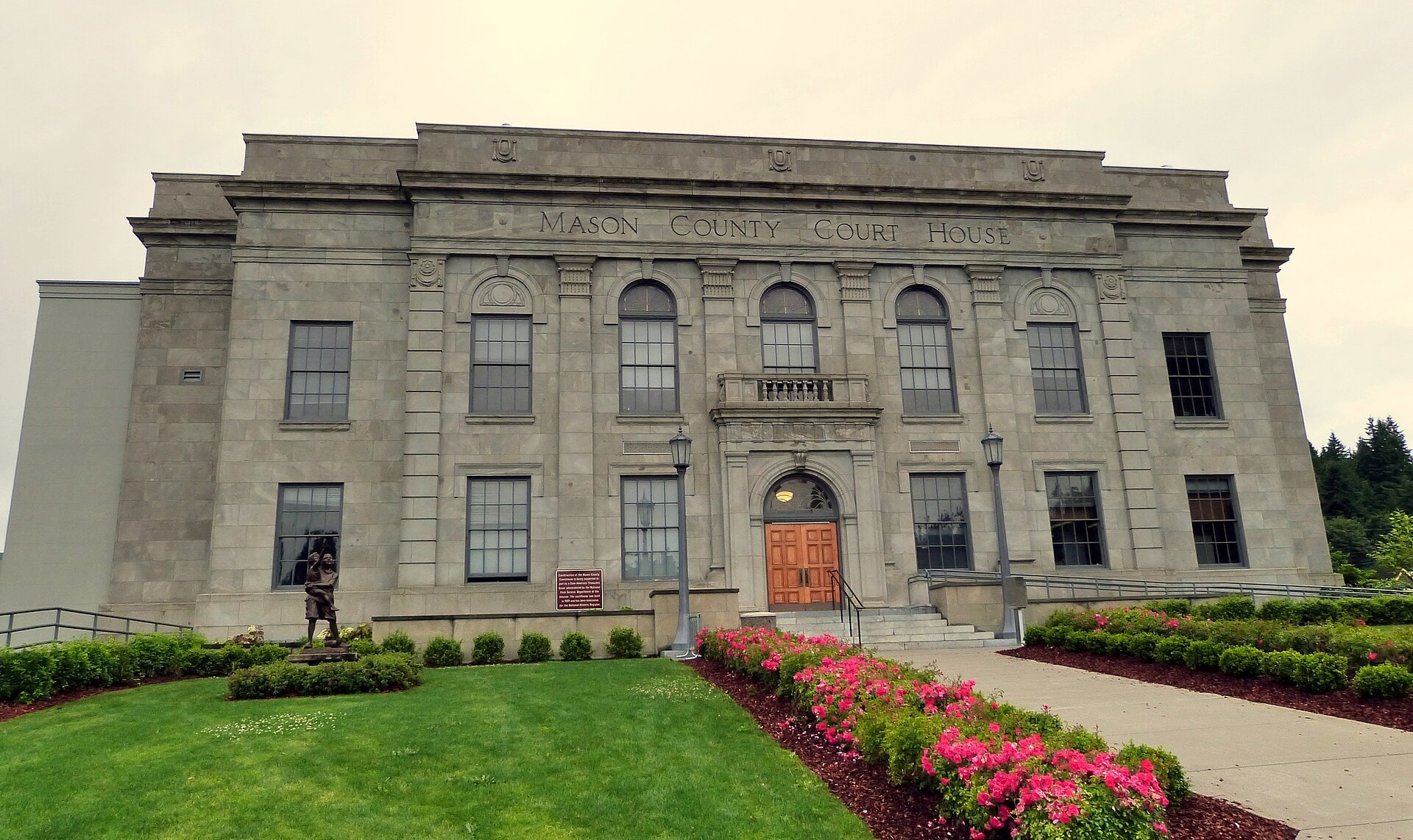
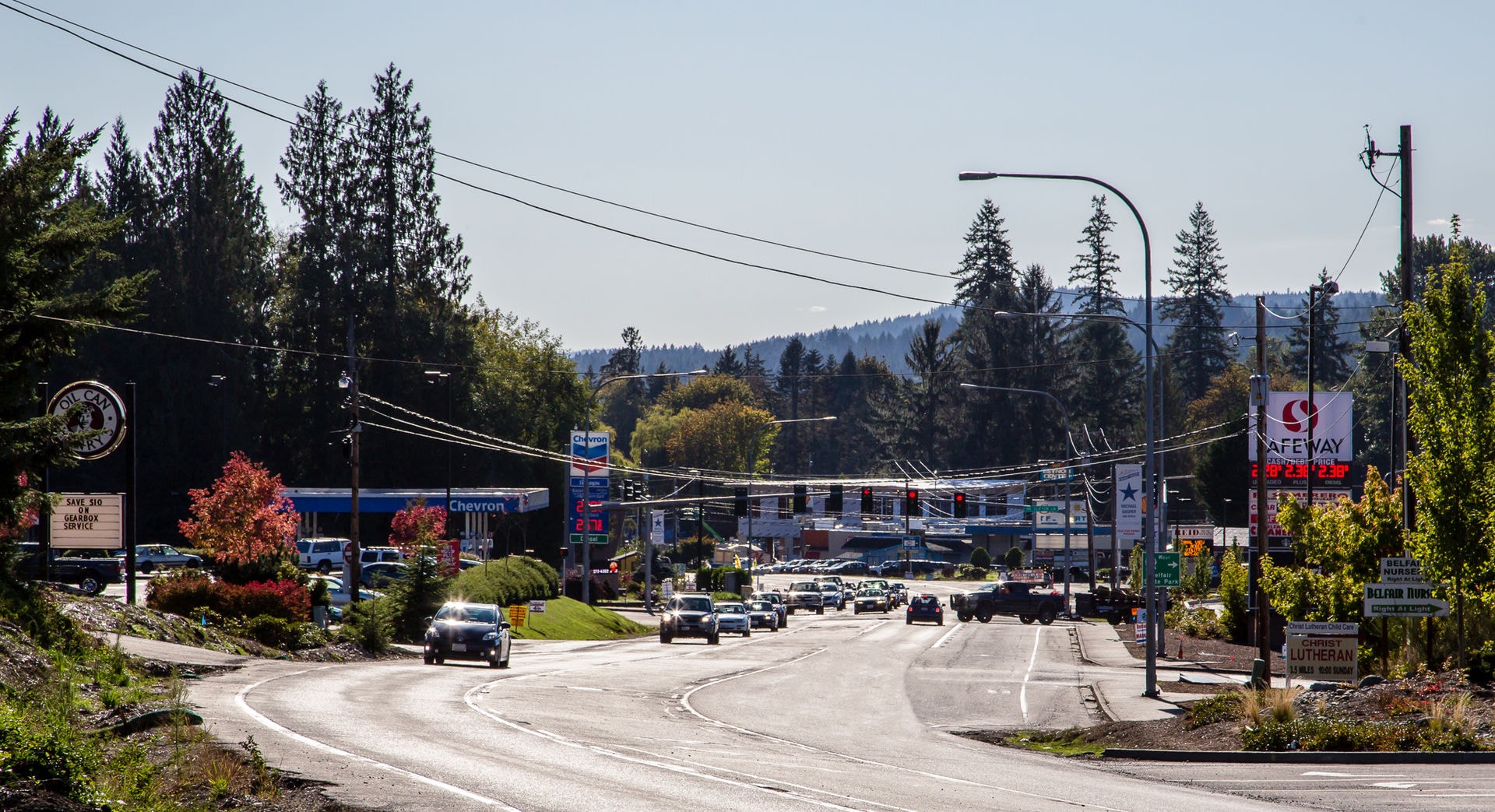
Pierce is the volume market, with more inventory and more price points; if this week's move trimmed your budget, that's where the same money still buys the most choice. Mason County is the one people forget. Zillow put Shelton's typical home value at about $419K and Belfair's at about $478K in September 2026, and a smaller loan absorbs a rate increase better in absolute dollars. The same 6.76%-to-6.95% move costs about $43 a month on an 80% loan against a $419,000 price. The trade in Mason is a longer drive to jobs and services. That's a real trade, not a lesser choice.
Why this isn't 2022
In 2021 rates sat near historic lows while inventory was also near historic lows, and that combination produced the bidding wars people still talk about. When rates roughly doubled, the market didn't crash. It froze, because owners with 3% mortgages stopped selling.
What's in front of buyers now is different: a normalizing market with an affordability problem. People are moving anyway for jobs, family, and retirement, and buyers have choices again; they just cost more per month. Practically, that means I can usually keep an inspection contingency for a buyer today and negotiate repairs, which simply wasn't possible in 2021. Higher rates and more leverage is a workable combination if your numbers support it.
A relocation buyer's playbook for rate timing
Ask for the rate, not just the price. With 20% down at 6.95%, a $10,000 price cut lowers your payment by only about $53 a month. The same $10,000 as a seller credit toward a rate buydown can do noticeably more, depending on how your lender structures it. Ask your lender to price both.
Keep your contingencies. In most local price ranges you can hold onto inspection and financing contingencies right now; if someone tells you to waive an inspection, ask them to justify it against current days on market for that specific town.
Have a lock plan before you're in contract. Rate locks are commonly 30, 45, or 60 days, and longer locks usually cost more. Relocation adds risk here, because closing dates slip when you're coordinating a sale elsewhere, a job start, and a cross-country move. Ask two questions up front: when do you recommend I lock, and what does an extension cost if closing slips? Then ask whether the lender offers a float-down, which can let you capture a lower rate if the market improves before closing. Terms vary widely, and not every lender offers one, but it's the best hedge against a week like this one.
The dashboard worth watching
This article has a shelf life, so here's what to watch instead of headlines. Freddie Mac's survey every Thursday is the cleanest read on the 30-year fixed. The 10-year Treasury moves daily and tends to lead it. The NWMLS county reports come out early each month, and the direction of months of supply matters more than any single reading. The Fed meets roughly every six weeks; at its October 28 meeting it held the range at 3.75% to 4%. Don't plan a purchase around an assumed cut. I've watched people wait two years for one while the houses they wanted got more expensive.
One local item for Kitsap commuters: the Bremerton fast ferry dropped to 13 weekday round trips on September 1, 2026, after the extra state-funded sailings ended. Whether that service comes back depends on the legislature, which convenes in January, and it affects both commute costs and demand in Bremerton.
So should you wait for rates to fall?
Here's the honest answer, and it cuts both ways. If rates drop in a market this tight, every buyer who sat out comes back at once, and you may get a better rate on a more expensive house with more competition. On the other side: if the payment doesn't work today, it doesn't work. Don't buy a payment you can't carry on the promise of a future refinance. Refinancing isn't guaranteed, and it isn't free.
Run your real number at today's rate. The budget planner on this site takes your income, down payment, and current rate and shows what this week did to your range. Then use the compare tool to see how Kitsap, Pierce, and Mason towns stack up at that budget, and the commute calculator to check what a lower-priced town costs you in drive time. The buyers who do well aren't the ones who timed the rate. They knew their number and were ready when the right house showed up.