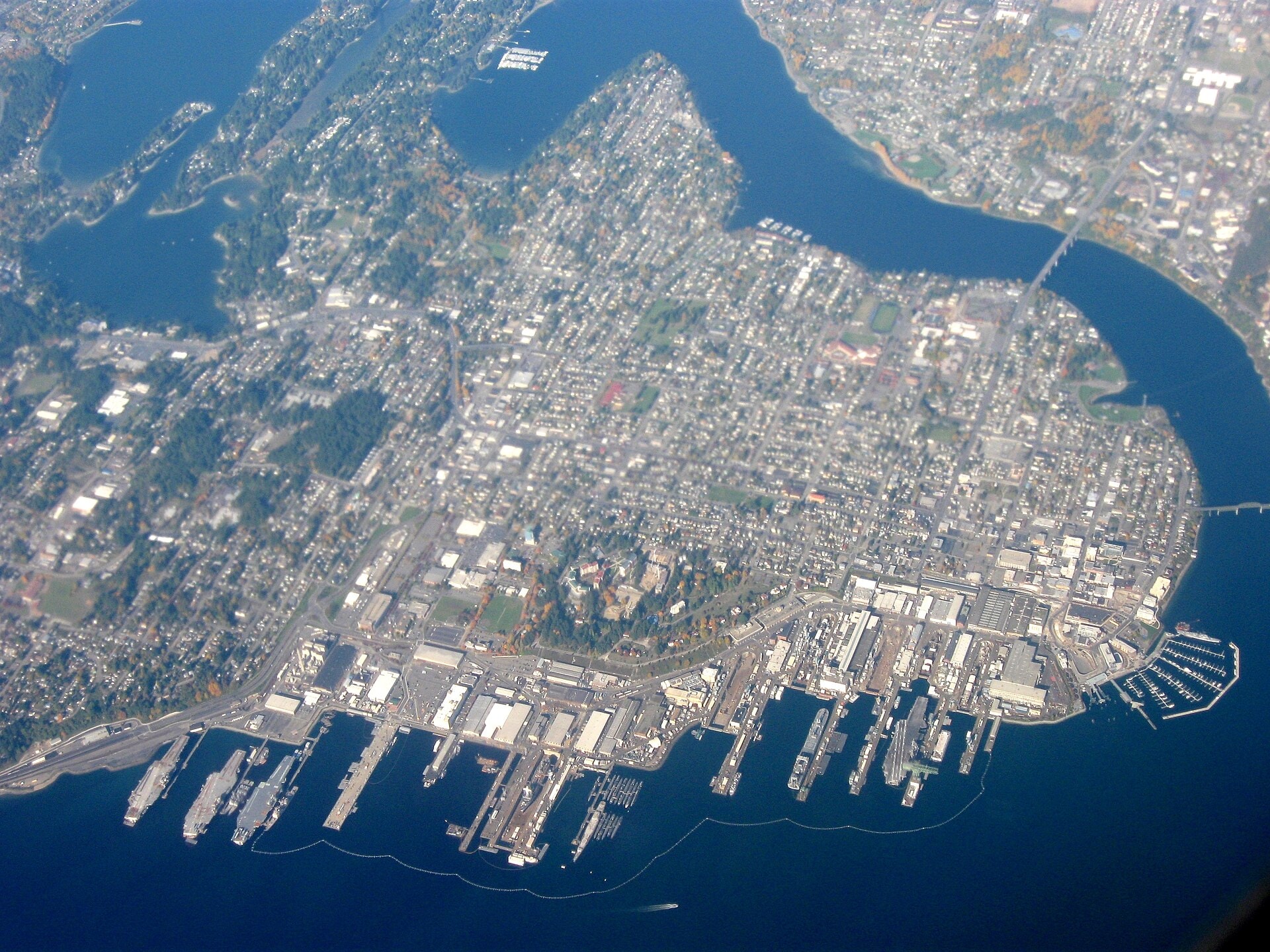
Bremerton and Port Orchard sit across the water from each other on Sinclair Inlet — close enough to see one another, far enough apart in daily logistics that choosing between them decides how your week actually runs. Most buyers try to settle it on price. It's usually settled by geography, and specifically by one interchange.
Gorst decides it before you open a listing
Gorst is where SR 3 and SR 16 meet at the head of Sinclair Inlet, and it's the pinch point for this entire side of the county. Here's the part people miss: it's a southbound bottleneck for Bremerton residents and a northbound bottleneck for Port Orchard residents. Which town fits you is therefore decided by which direction you commute. If your job is north — Silverdale, Bangor, Poulsbo — Bremerton keeps you on the right side of it. If your life pulls south toward Gig Harbor and Tacoma, Port Orchard does. Drive your actual route at your actual time before you decide anything else.
The ferry math is not close
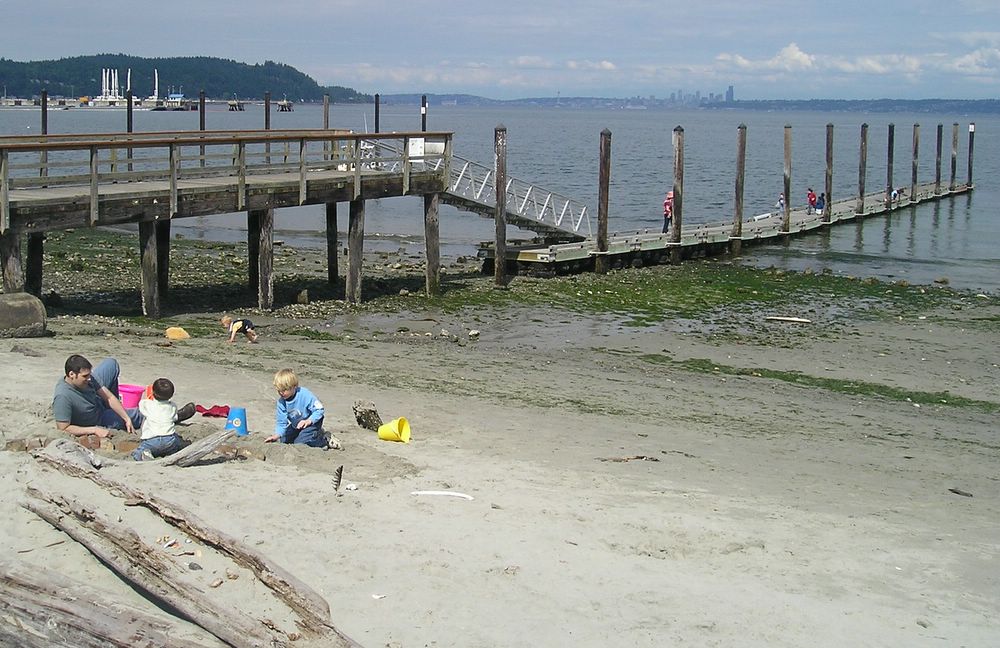
Bremerton has two boats to Seattle: the Washington State Ferries car ferry at about 60 minutes, and the Kitsap Transit passenger-only fast ferry at about 30. Port Orchard has no direct boat to Seattle at all. Its options are a 12-minute foot ferry across the inlet into Bremerton — genuinely useful if you work at the shipyard, less so if you're headed to downtown Seattle — or driving to the Southworth terminal for the Kitsap Transit fast ferry.
If a Seattle commute is central to your life, Bremerton wins this outright. If your commute is to PSNS, the Port Orchard foot ferry is arguably the best-kept commuting secret in South Kitsap.
Cost — and the trap in the numbers
As of the July 2026 NWMLS county report, Kitsap's median sale price was $592,000 on 2.9 months of supply — a tight, seller-leaning market. Bremerton runs roughly $100,000 below that county median, which makes it the lowest cost of entry among Kitsap's cities.
Port Orchard's published median is the trap. The figure usually blends the actual city with a large stretch of unincorporated South Kitsap, including rural acreage and newer subdivisions that look nothing like the historic downtown. Two buyers quoting "the Port Orchard median" are frequently describing different markets. Look at neighborhood-level comps, not the city number.
Housing vintage: two different products
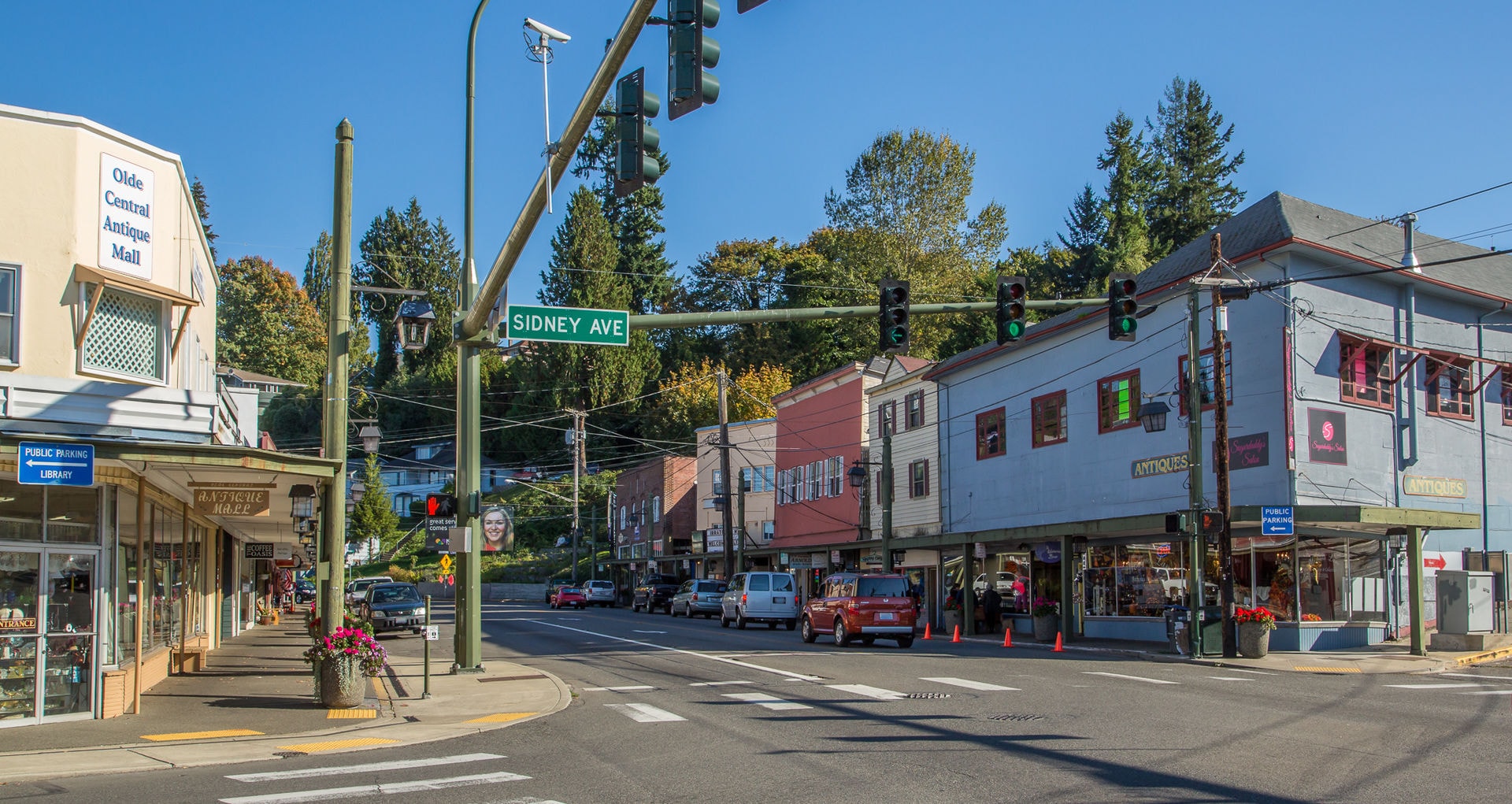
Bremerton's stock skews older and denser — early-to-mid-century homes in walkable grids, with revitalization uneven block to block. You can get real character and real proximity for the money, and you can also buy a project house without meaning to; inspections matter more here. Port Orchard splits between a historic waterfront core and sprawling newer construction out toward the county, which is where buyers who want a modern floor plan and a garage tend to land.
Civics, services, and the thing nobody knows
One detail most people get backwards: Port Orchard, not Bremerton, is the seat of Kitsap County government — even though Bremerton is the county's largest city at roughly 45,900 people. Practically, Bremerton carries the bigger institutional footprint: the shipyard, the naval hospital, the transit hub. Treat schools and hospitals as facilities you'll actually drive to rather than as ratings on a page, and map them from the specific address you're considering.
So which one wins?
Bremerton wins if you commute to Seattle, work at the shipyard, want the lowest entry price, or value walkability and the fast ferry. Port Orchard wins if your orbit is south, you want newer construction or acreage, you're crossing on the foot ferry to PSNS, or you want the small-town waterfront feel rather than a small city.
Neither is objectively better — they're different logistics packages at similar prices. Settle Gorst and the ferry first, then look at houses. Run both towns through the compare tool and put your real commute into the calculator; that's usually the conversation that ends the debate.