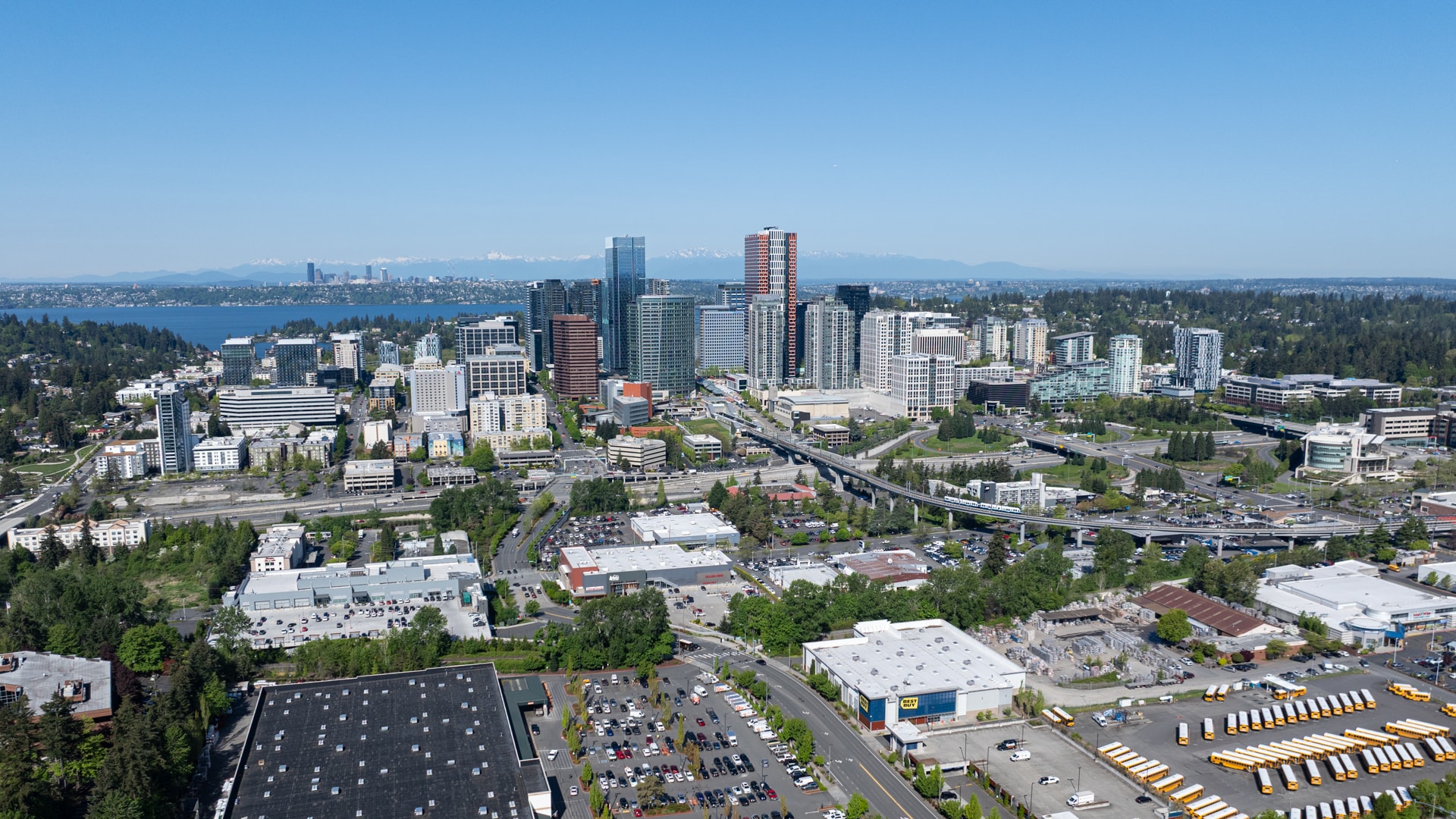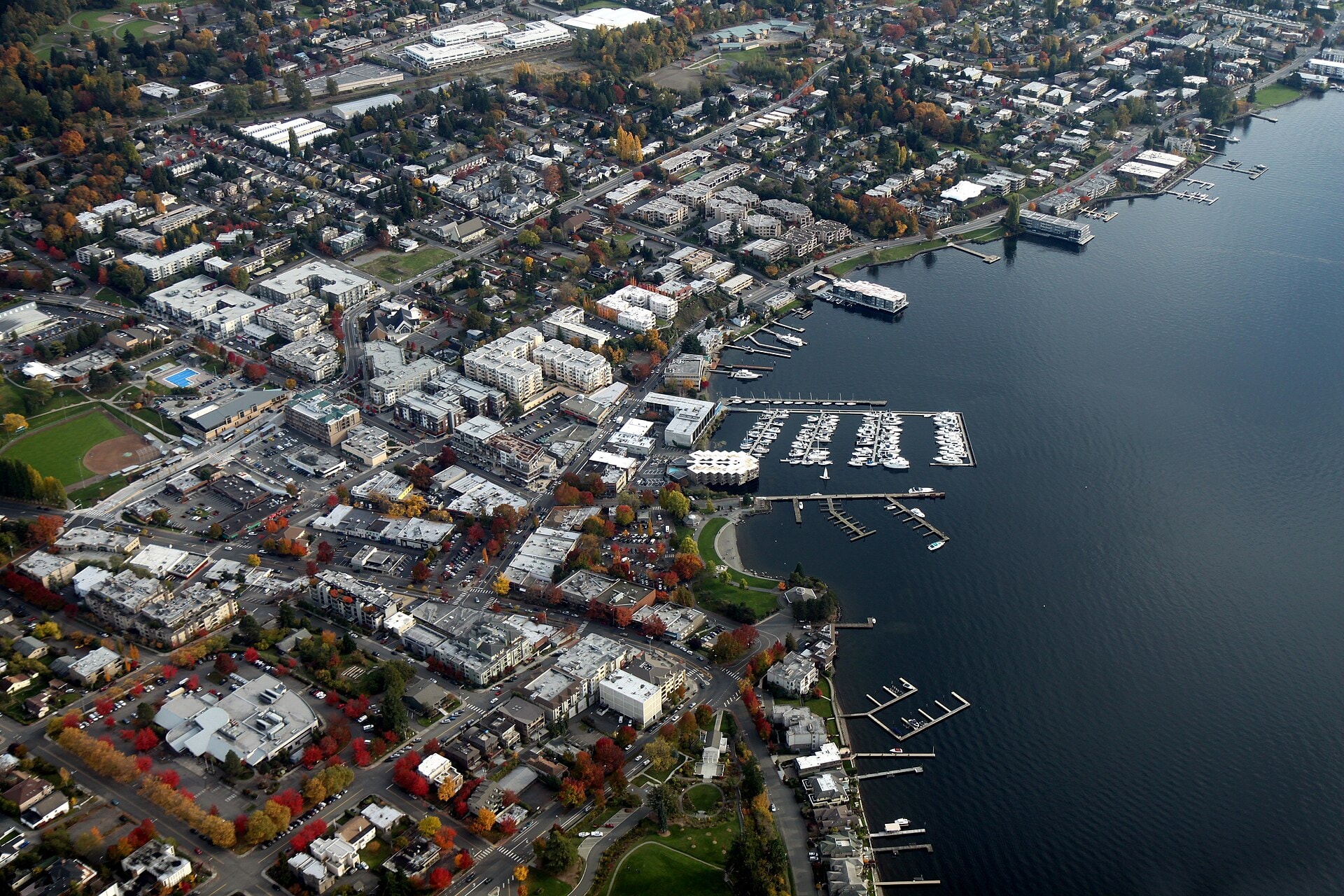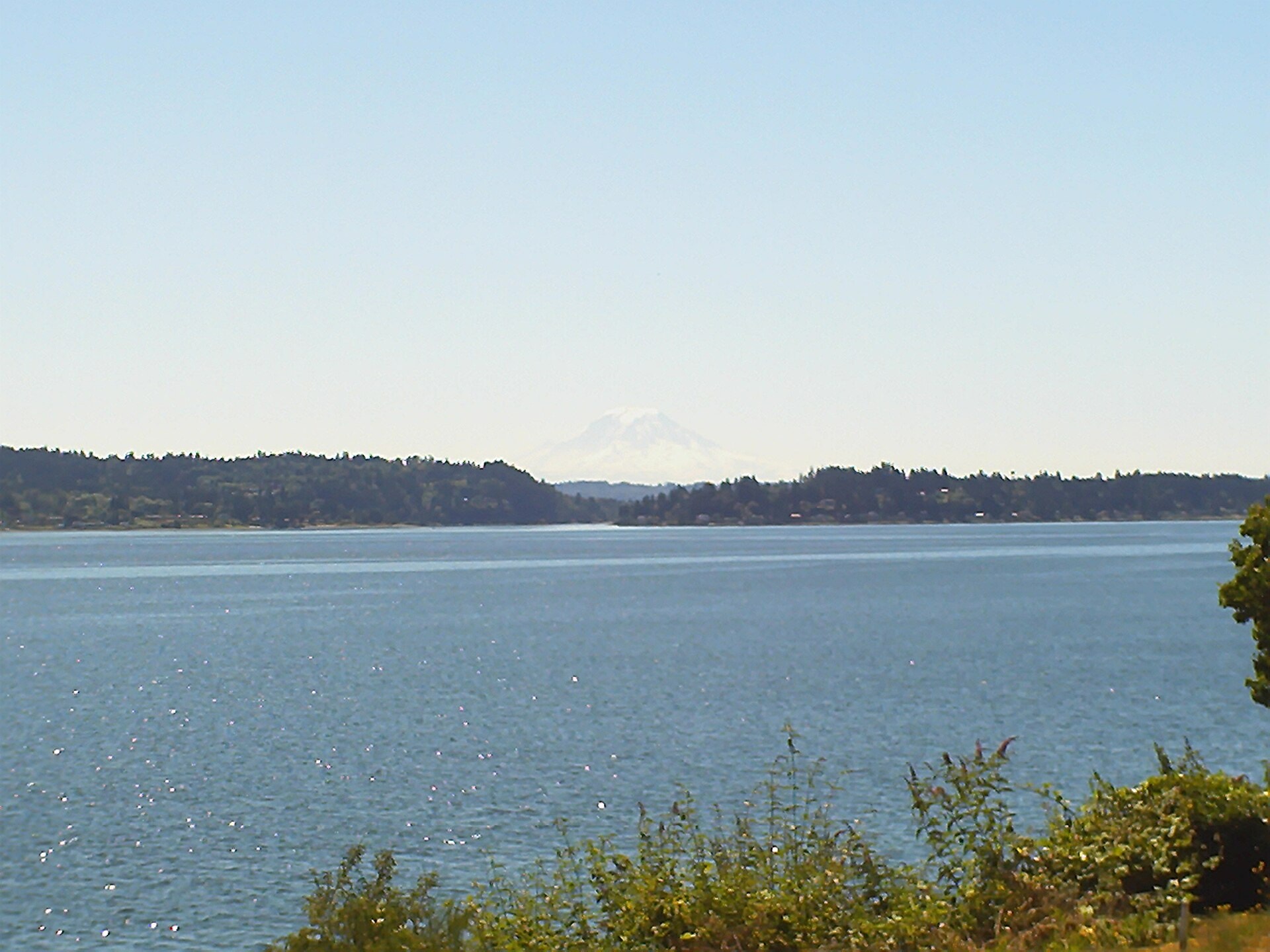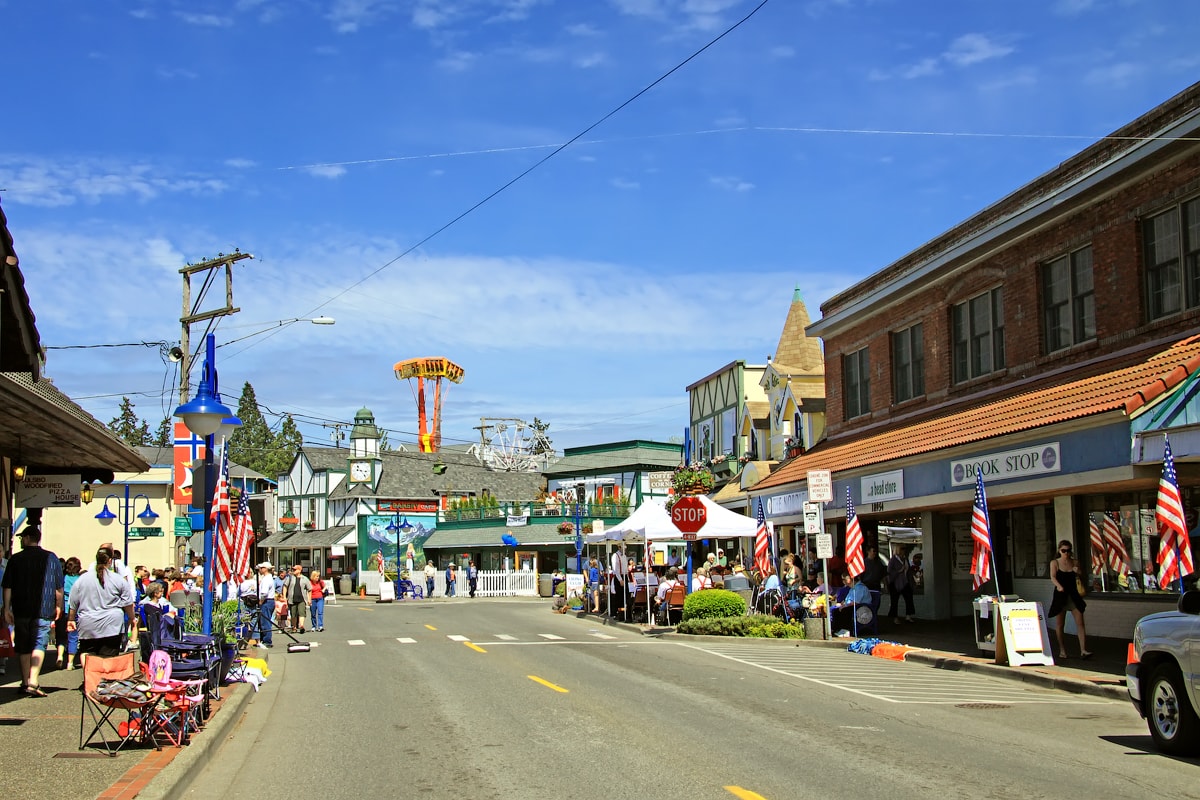
Almost every out-of-state family relocating to Washington starts in the same place: Bellevue, Kirkland, Sammamish. It's the default, and for good reason — great schools, tech jobs, a polished suburban product. But an increasing number of the families I work with run the numbers and buy in Kitsap instead. Here's the case they're making.
The Eastside premium stopped buying what it used to
The premium was always a trade: pay more, get proximity. What changed is that hybrid and remote work loosened the proximity requirement for a lot of households, while the price gap kept widening. A median Bellevue home has been running around $1.6 million; Kitsap's county median has been in the $580,000–$625,000 range. That's not a discount — that's a different financial life.
The 30-mile illusion
People assume a house 30 miles from downtown Seattle means a 40-minute commute. On the Eastside, 30 miles at rush hour can easily be 60 to 75 minutes of stop-and-go — and every one of those minutes is spent driving. That's the comparison that matters, because the alternative isn't a longer drive.
The ferry advantage
The Bremerton fast ferry reaches downtown Seattle in about 30 minutes with Wi-Fi aboard. You are not driving; you're working, reading, or asleep. Commuters who make the switch describe it less as a commute and more as a buffer between home and work. It comes with schedule discipline — you catch the boat or you wait — but the quality of the time is not comparable to an I-405 crawl.
The price delta, in plain terms
The spread between comparable Eastside and Kitsap homes has run roughly $400,000 to $700,000 depending on what you're comparing. Put that against a mortgage and it's frequently the difference between two incomes being mandatory and one being optional — or between a 30-year plan and a 15-year one. It also tends to buy square footage and land rather than just a lower number.
Land you actually own
This is the part people feel when they visit. On the Eastside, a lot at the top of the market is often a modest lot. In Kitsap, the same money regularly buys acreage, trees, water views, or all three. If the version of the Northwest you pictured involves space around the house, the peninsula delivers it at a price the Eastside stopped offering years ago.
The school story
This is the objection I hear most, and it deserves a straight answer. Eastside districts are excellent — nobody disputes that. But Bainbridge Island School District ranks among the top districts in Washington, and several Kitsap districts perform well while sitting inside a much lower property-tax basis. Over a full K–12 run, the property-tax difference between an Eastside address and a Kitsap one can total in the tens of thousands of dollars. Compare specific schools rather than reputations — but don't assume the water is a quality line.
The infrastructure nobody outside the market talks about
Naval Base Kitsap is the third-largest Navy installation in the country, and it anchors the local economy in a way that's unusually recession-resistant. Add continued fast-ferry investment and steady medical and retail growth in Silverdale, and you have a market with real underlying demand rather than a bedroom community betting entirely on one employer's headcount.
Reality versus expectation
To be fair to the Eastside: it wins on restaurants, nightlife, airport access, and the density of professional opportunity. If you need to be in an office five days a week in Bellevue, Kitsap is the wrong answer and I'll tell you so. But if your week is hybrid, remote, or Seattle-facing, the peninsula generally gives you more house, more land, and a better daily rhythm for materially less money. Run both sides through the compare tool and the cost-of-living calculator before you assume the default is the answer.