Most relocation content sells you the sunsets. I'd rather tell you the truth, because I've watched buyers thrive here and I've watched buyers list the house and leave inside 18 months. The ones who left almost always hit one of the same five realities — and nobody warned them. Here they are.
1. It's not the bargain the internet sold you
The 'cheap houses across from Seattle' era is largely over. Kitsap's 2026 county median has been sitting in the high $500Ks. That's a real discount against King County, but it is not cheap, and the sticker price is only half the story. Rural properties come with a well, a septic system, and often propane or electric heat — each one a maintenance line item that a city buyer has never had to budget for. A failing drainfield alone can run five figures.
If your entire thesis for moving here is 'housing is cheap,' pressure-test it with actual numbers before you commit. The cost-of-living tool is a fine place to start.
2. The gray and the green both send you a bill
The rain here isn't dramatic; it's persistent. What gets people is the light — the stretch from November through February that locals call the big dark, when the sun sets in the afternoon and the sky stays low for weeks. Some people find it cozy. Some people find out something about themselves they didn't know. And the same moisture that makes everything green means moss, mildew, gutters, roof maintenance, and pressure-washing as a normal part of homeownership. Visit in November before you decide, not July.
3. The job market leans on one big anchor
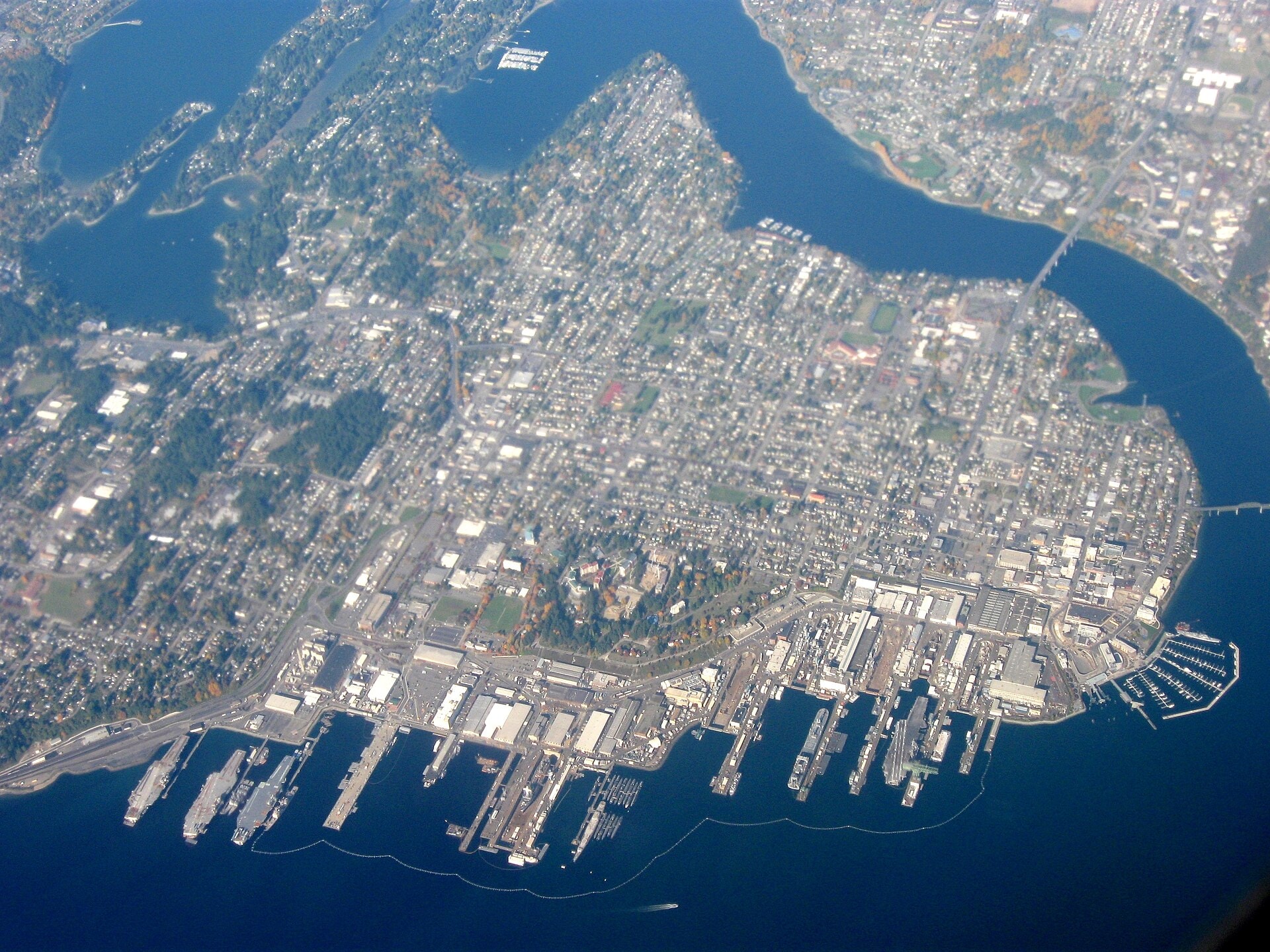
Naval Base Kitsap and the Puget Sound Naval Shipyard anchor this economy. That makes Kitsap unusually recession-resistant — federal payrolls don't evaporate in a downturn — but it also means the private-sector corporate job market is thin compared to the Eastside or Seattle. If you're arriving without remote work, a federal or defense-adjacent role, or a portable profession, be realistic about what the local ladder looks like before you sell your house somewhere else.
4. Everything 'big' is a drive or a boat ride away
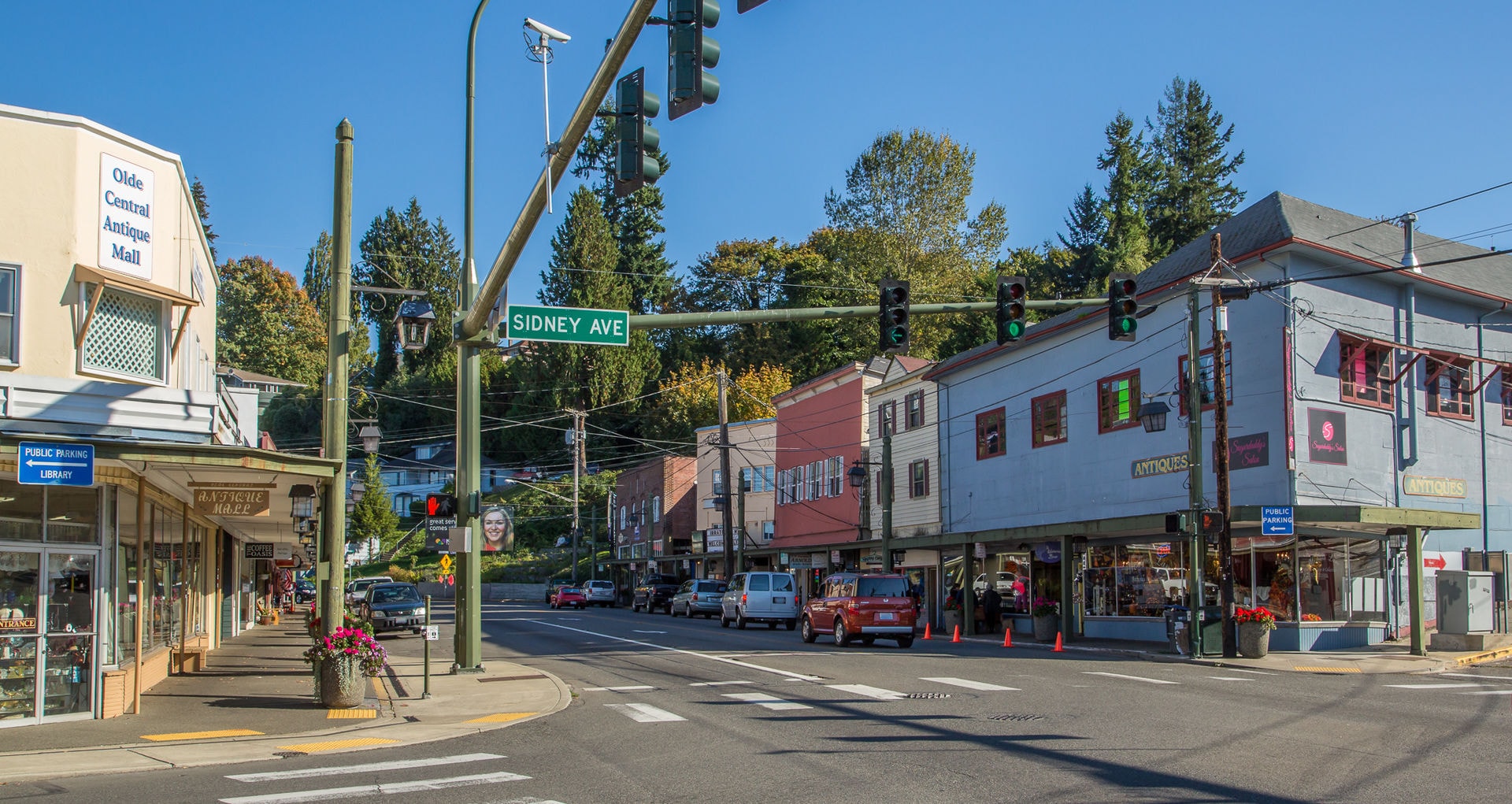
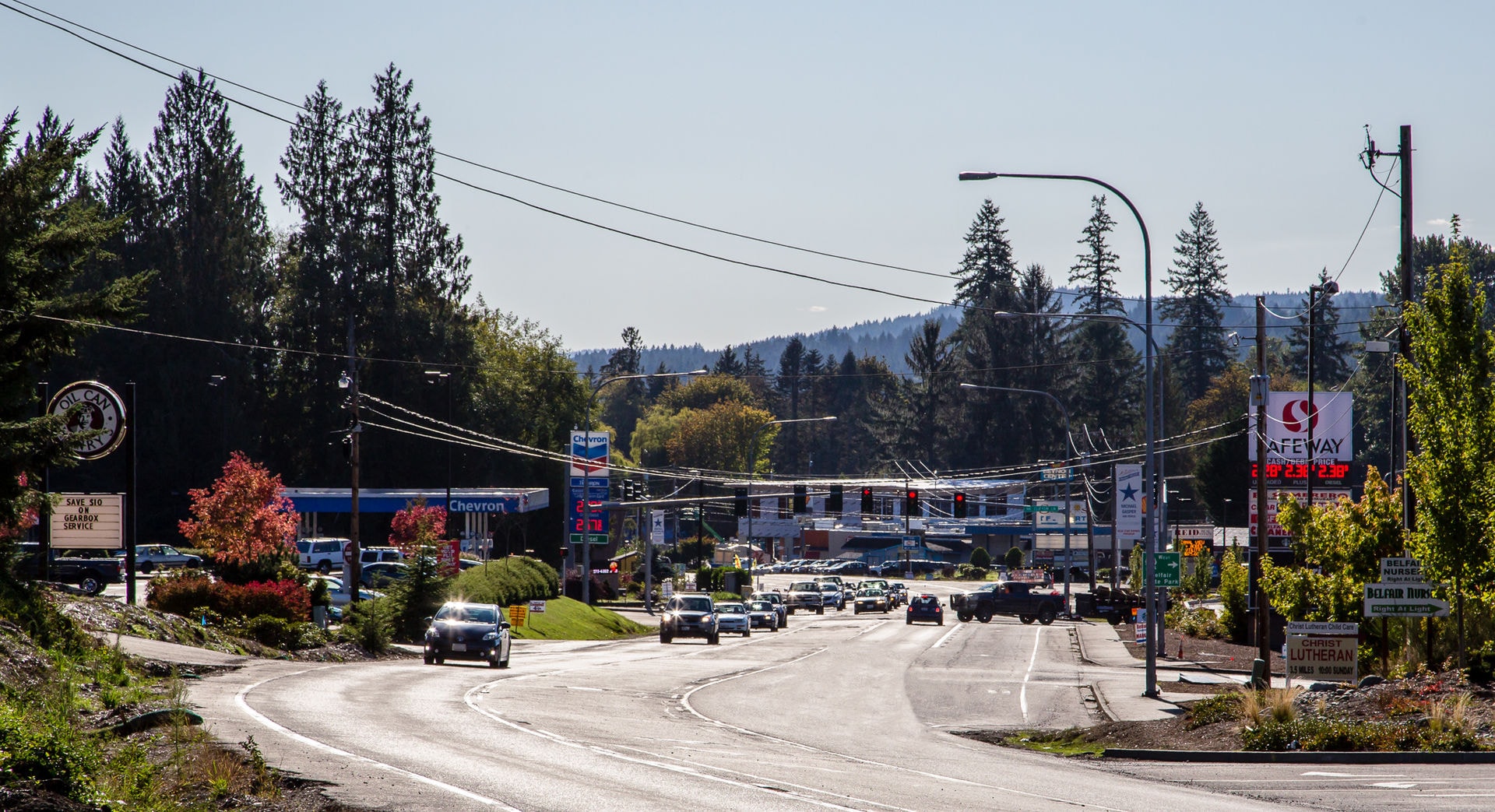
Specialty medical care, a major concert, a direct international flight, a specific store you love — most of those live off the peninsula. Silverdale covers day-to-day retail and the regional hospital well. But if your life includes a lot of specialized destinations, you'll be planning trips instead of running errands, and that shift is bigger than it sounds on paper.
5. The peninsula tax: you're committed to the crossing
This is the one that decides most of the failures. Kitsap is a peninsula. Reaching Seattle means a ferry sailing or the drive around through Tacoma. That means every off-peninsula trip becomes a logistics decision — check the schedule, build in the wait, plan the return. A missed boat can cost you an hour. When your kid's game or your specialist appointment is on the other side, the water isn't scenery, it's a variable.
The flip side: who thrives here
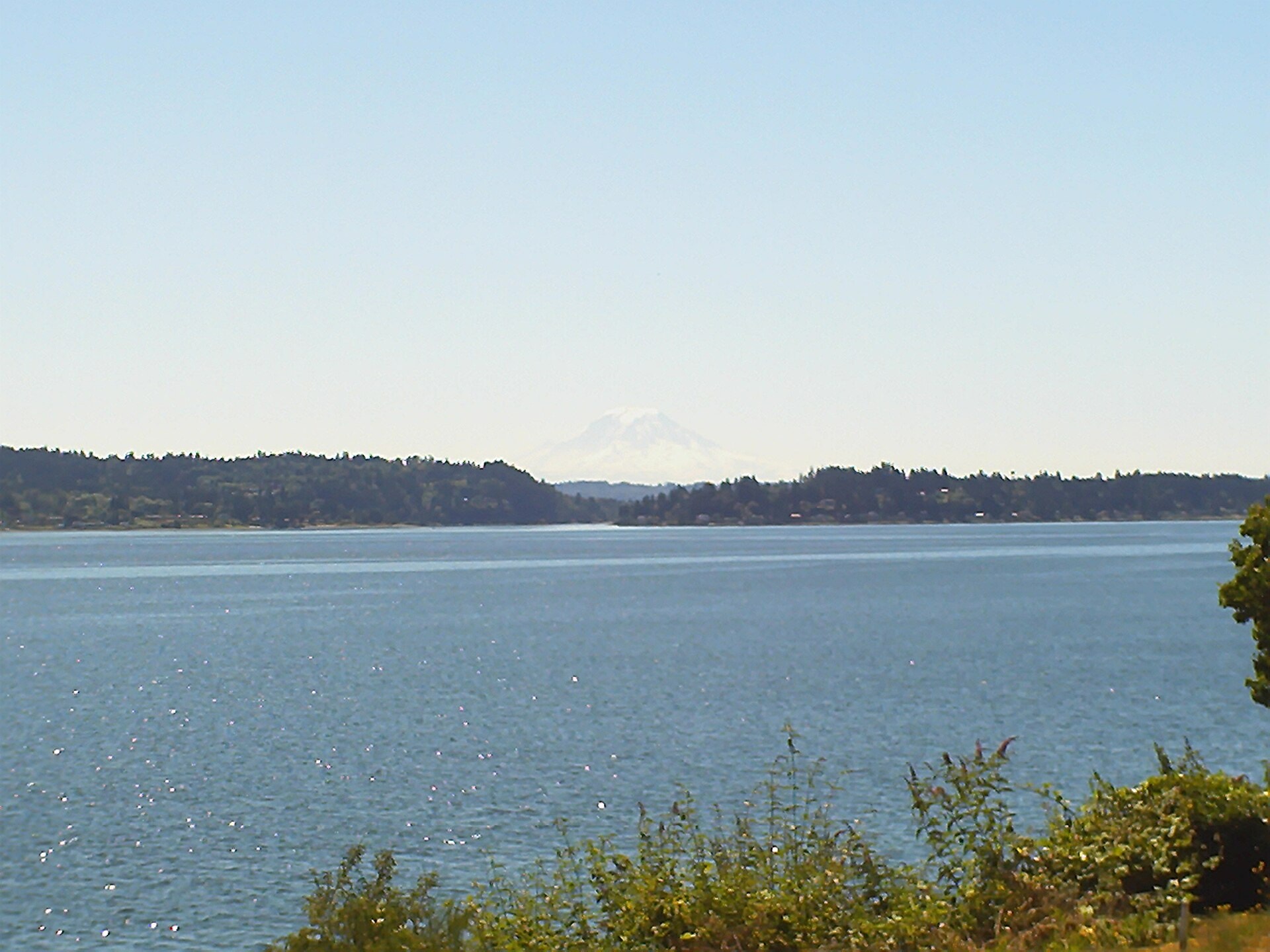
Everything above is also the reason Kitsap is quieter, greener, and less crowded than the Eastside. The crossing is a moat — it's exactly what keeps this side from becoming that side. The people who thrive here are the ones who chose the moat on purpose: hybrid and remote workers, military and shipyard families, retirees who want water and trees, and people whose idea of a good Saturday involves a trail or a boat rather than a reservation.
If you read those five reasons and thought 'that's fine, that's the point,' you'll probably love it here. If two or three of them made your stomach drop, that's useful information — and cheaper to learn now than after closing.