If a manufactured home is how you get land near Kitsap, build the purchase around your move date, not the other way around. In Washington, alterations to a manufactured home need a state permit, most loans need a licensed engineer's foundation certification, and the home has to suit a climate much wetter than many buyers are used to: NOAA's 1991 to 2020 normals put Shelton at 67.9 inches of rain a year, where the typical home value was $414,968 in October 2026. Order the specialist inspection and the foundation letter early, and leave days of buffer before the truck leaves.
This is the video I recorded with Roger Merrell Jr. of Merrell Inspection Services, a licensed Washington home inspector, HUD compliance inspector and HUD-approved 203(k) consultant who has done HUD and FHA work since October 1990. I wrote up the rules themselves, permit by permit, on my Journal. This post answers a different question: if you are moving here and a manufactured home is part of the plan, where are you likely to look, what does the weather do to the home, and how do you sequence the purchase so it does not collide with your move.
Where Movers Find Manufactured Homes on Land
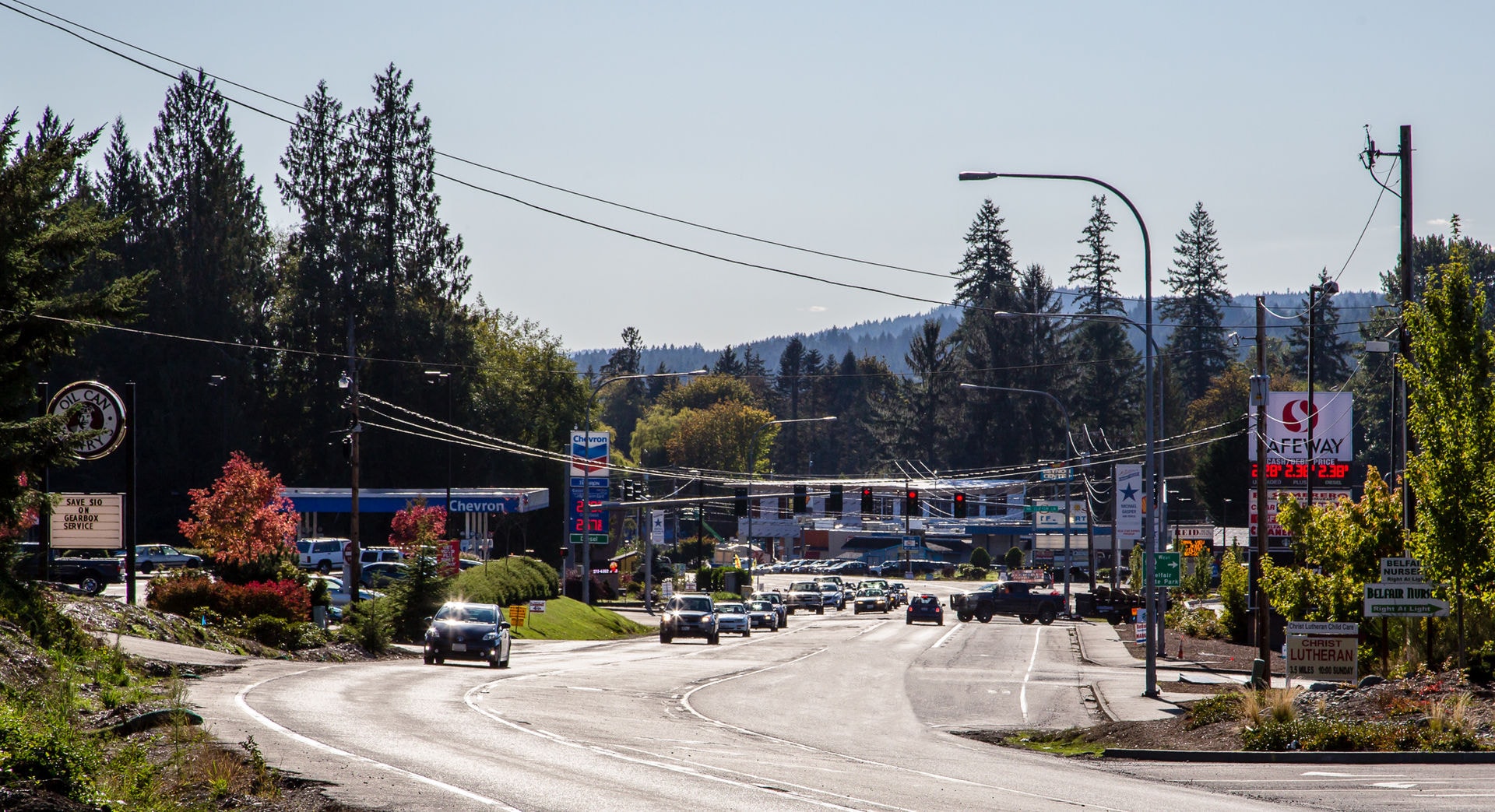
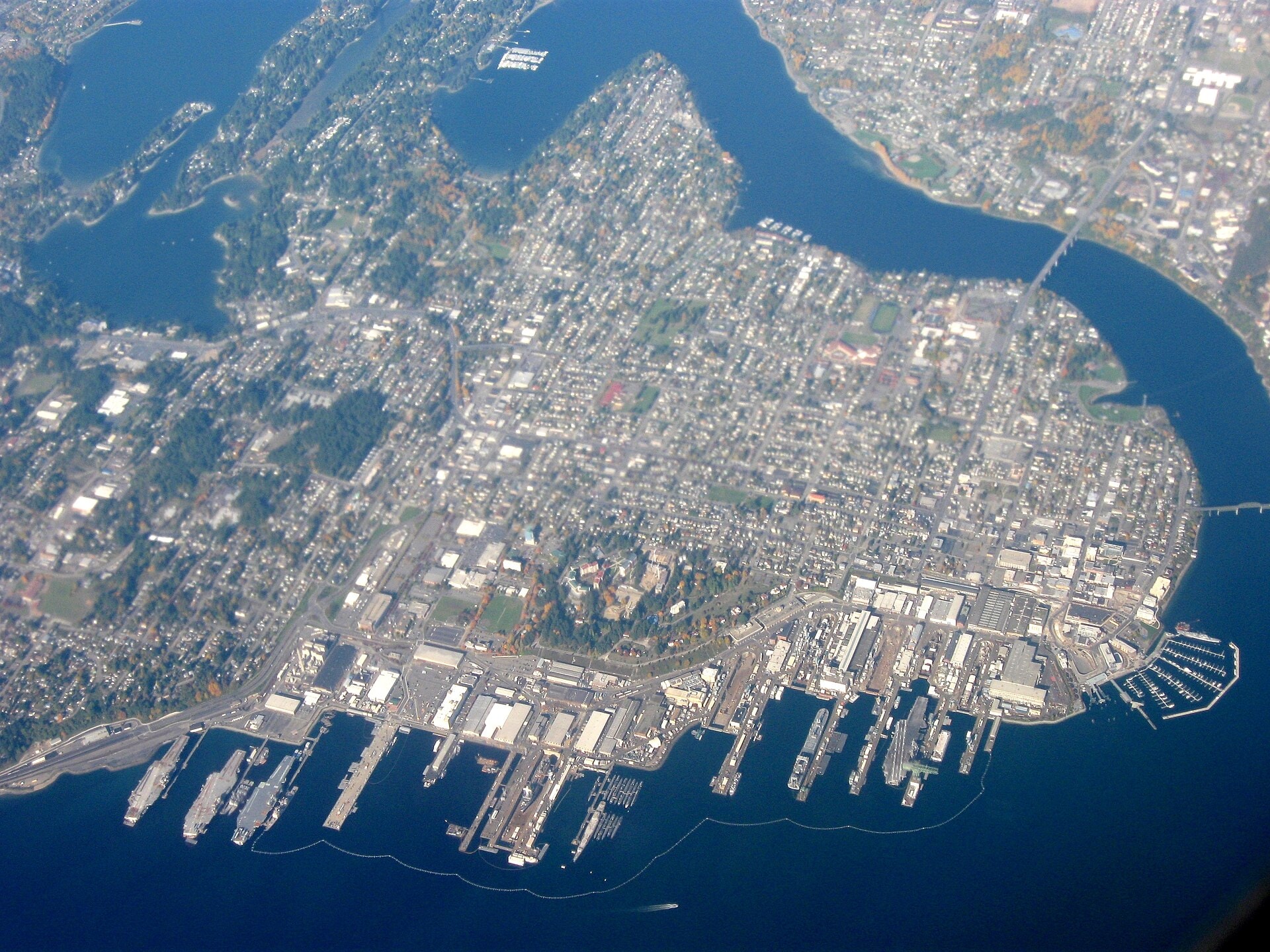
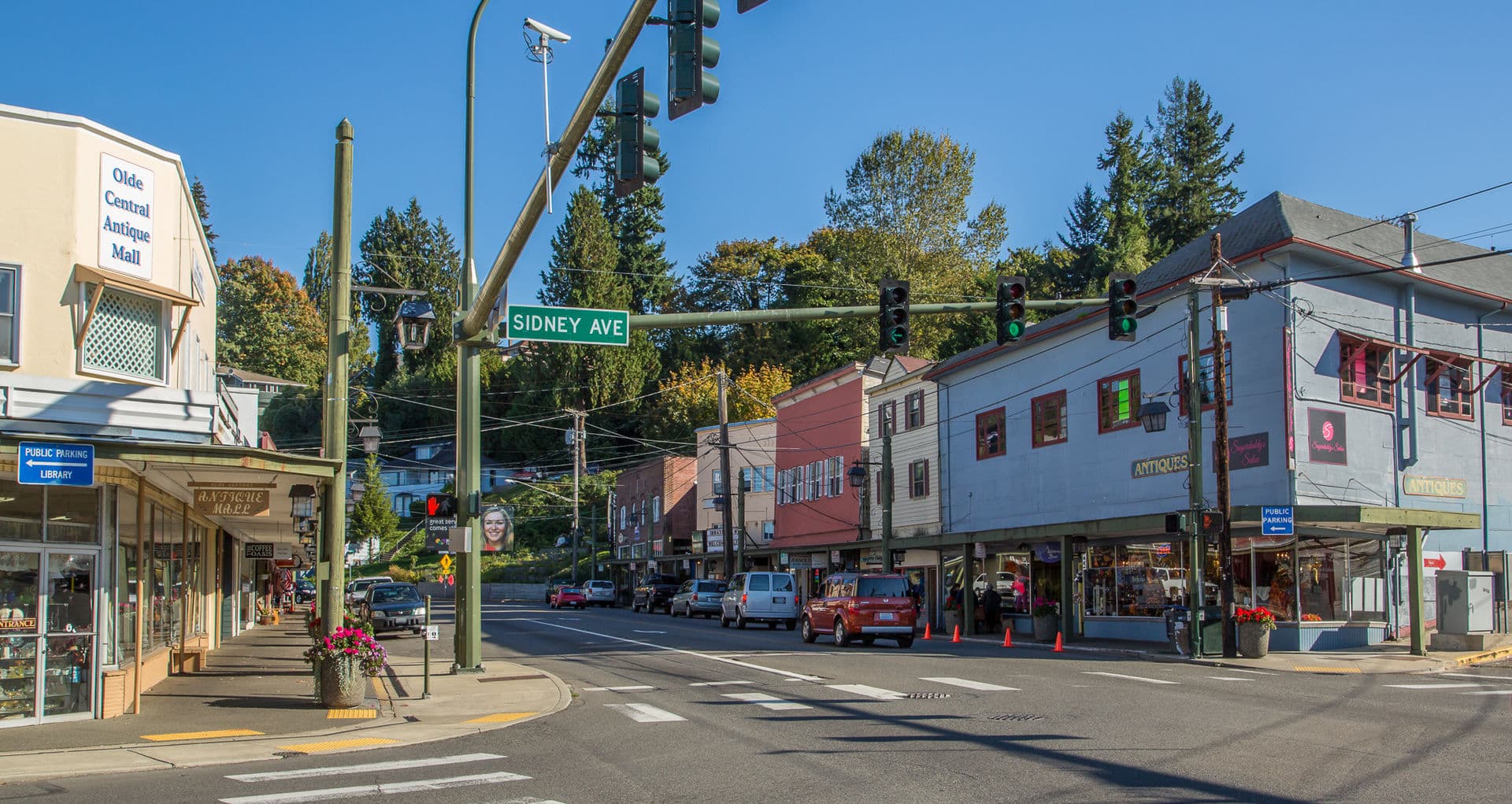
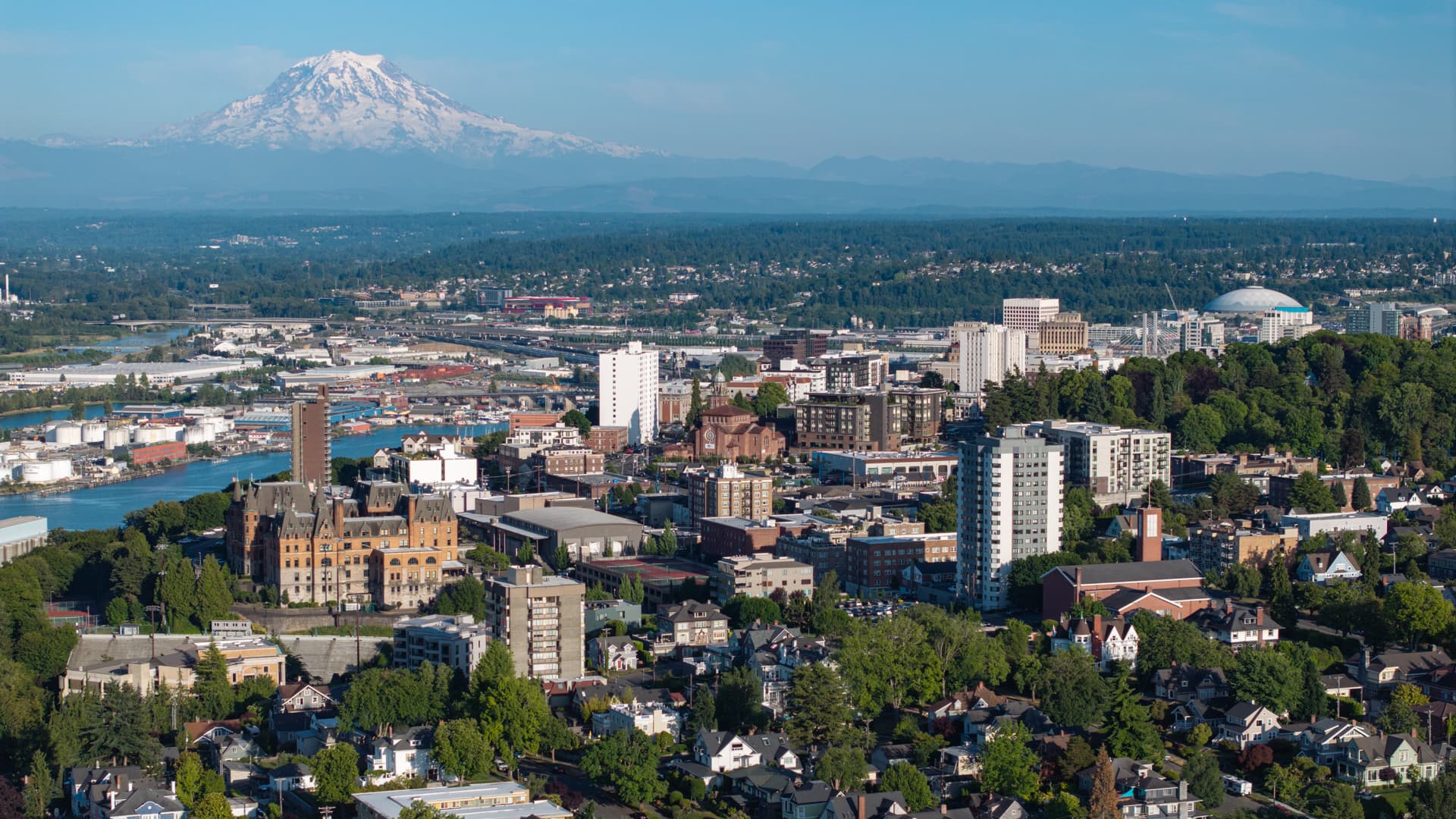
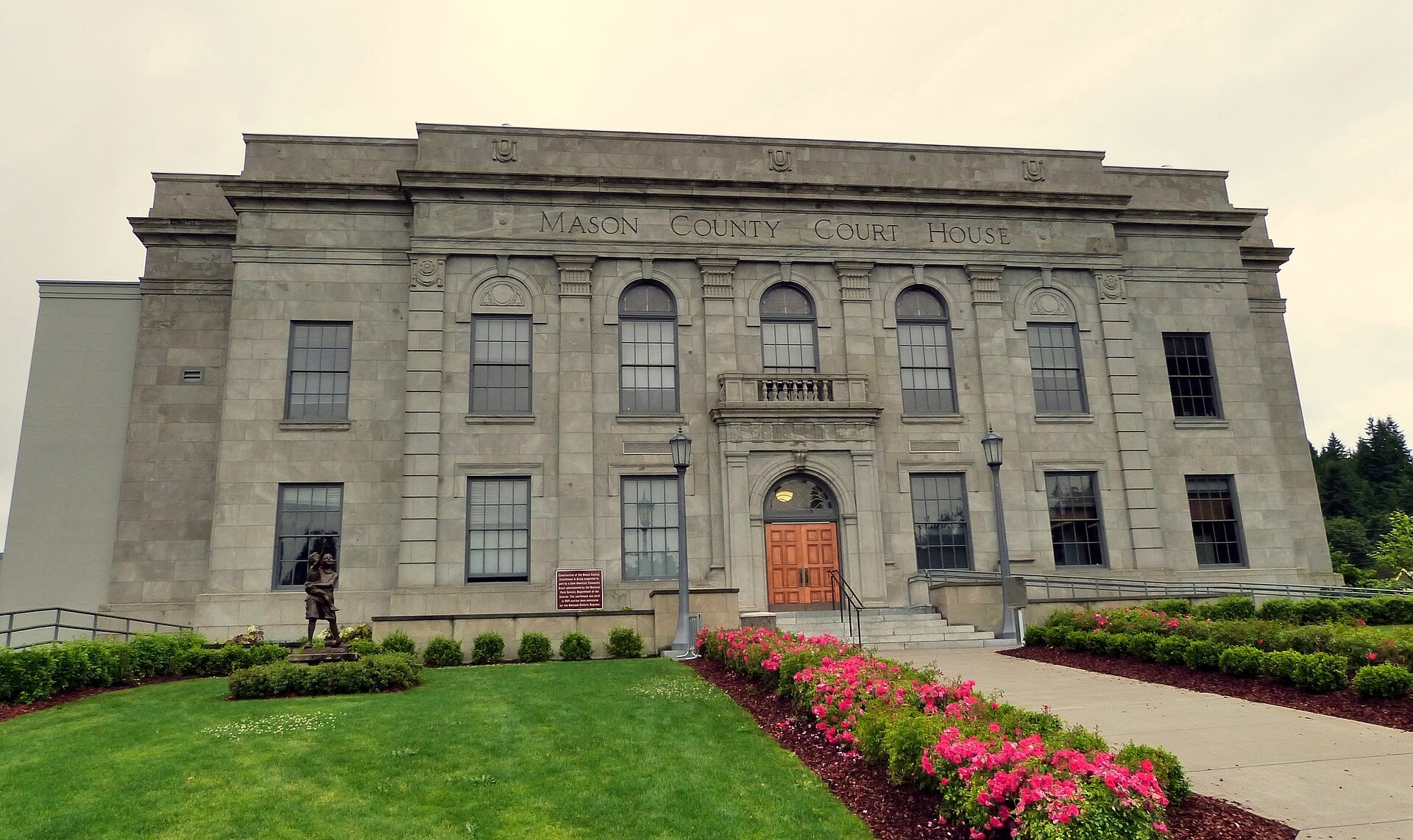
In my experience, the manufactured homes on owned land within reach of the Kitsap bases cluster on the rural edges: around Shelton and Union in Mason County, along Highway 3 near Belfair, and on the outskirts of Bremerton and Port Orchard. Here is what a typical home costs in each of those towns, beside the typical drive to Puget Sound Naval Shipyard and to Tacoma from my commute calculator.
The values are Zillow's Home Value Index for October 2026, the typical home value for mid-tier single-family homes and condos, smoothed and seasonally adjusted. It is a model estimate, not a sale price, and it is not a manufactured home price; it blends every kind of home in the town.
| Town | County | Typical home value, Oct. 2026 | To the shipyard (PSNS) | To Tacoma |
|---|---|---|---|---|
| Shelton | Mason | $414,968 | 45 to 60 min | 55 to 75 min |
| Belfair | Mason | $473,129 | 25 to 35 min | 50 to 70 min |
| Bremerton | Kitsap | $475,577 | 5 to 10 min | 50 to 70 min |
| Union | Mason | $508,257 | 40 to 55 min | 55 to 75 min |
| Port Orchard | Kitsap | $550,669 | 15 to 25 min | 30 to 45 min |
Source: Zillow Home Value Index (typical home value: mid-tier single-family and condo, smoothed and seasonally adjusted), October 2026. A model estimate, not a sale price.
See the numbers
| Item | Value |
|---|---|
| Port Orchard | $550,669 |
| Union | $508,257 |
| Bremerton | $475,577 |
| Belfair | $473,129 |
| Shelton | $414,968 |
Shelton costs the least of the five, but it is the longest drive to the shipyard. Belfair sits 25 to 35 minutes from the yard on Highway 3 for $58,161 more than Shelton's typical value. Port Orchard is the highest of the five, $135,701 above Shelton, and the closest to Tacoma. (Dollar gaps are between the rounded figures shown.) Roger's point in the video was that the land is the draw: a manufactured home on owned land west of the Cascades often sits on more ground than a stick-built home at the same price.
What the Weather Does to the Home You Buy
The first thing that surprises Roger's out-of-state clients, after the price, is how homes are built here. In the Southwest, most homes sit on a slab. Here, most sit over a crawl space, because the ground stays wet for months.
How wet, by town
These are NOAA's 1991 to 2020 climate normals for the stations nearest the towns above, from the data behind my climate page.
| Station | Rain per year | Days with measurable rain | Rain in winter (Dec. to Feb.) |
|---|---|---|---|
| Shelton Sanderson Field | 67.9 in | 110.9 | 28.66 in |
| Bremerton | 56.9 in | 102.3 | 25.03 in |
| Tacoma Narrows Airport | 42.0 in | 91.6 | 15.98 in |
| Kingston 2.7 SSE | 37.3 in | Not published | 15.45 in |
Shelton gets nearly twice the rain of Kingston, on the same side of the Olympics. If you are coming from a dry state, that difference is what your crawl space, piers and gutters live with.
What fails in a wet climate
Roger named two things that fail most often on the west side of the Cascades: decks, carports and other site-built additions that are not self-supporting, and foundations. In his experience, about 30 percent of the foundations he inspects do not comply with HUD's permanent foundation guidelines. He is wary of a slab under a manufactured home with steel supports, because surface water has nowhere to drain and has to evaporate, and steel rusts.
On the drive out, look at the things a listing photo will not show: where the downspouts empty, whether the ground slopes away from the home, and what the skirting looks like at the bottom edge. Then let a specialist go underneath. My hazards page lets you check the address against the state's liquefaction and seismic maps, which matter for any foundation.
A Move-Date Plan for an Out-of-State Buyer
Everything below takes calendar time, and a move has a hard date. Here is the order I use with clients who are buying from 1,500 or 2,000 miles away.
Before you write the offer
- Ask whether the home has been moved. Roger said FHA will not insure a manufactured home moved from its original site, and an inspector can usually trace a unit's history before you commit.
- Ask for the permit history. Washington's rule is plain: "If you alter a manufactured home in Washington state, you must purchase permits prior to making an alteration" (WAC 296-150M-0300). The state's list of what needs a permit runs from furnaces to reroofing. Roger said older permits may carry a red alteration insignia, and that the state's online records go back only about seven years.
- Line up the inspector first. Roger's one piece of advice was to hire someone who specializes in manufactured homes, and to check their credentials, not their website.
Inside the inspection period
- Inspect by video if you cannot fly in. Roger walks distant clients through the inspection on a video call while he is under the home.
- Order the engineer's foundation certification right away. Do not let it be the surprise two weeks before closing.
- Read the self-supporting test. A deck or carport can be attached to a manufactured home, Roger said, as long as it would stand on its own if the home were taken away.
Before the truck leaves
- Build in buffer. Roger said that when a foundation fails, the installers he works with can often bring it into compliance in about three days, so closings are not always moved. I still would not book a truck that arrives the day after a scheduled closing on a manufactured home.
- Run the rest of the move. My relocation checklist covers utilities, licensing and the first week.
Owned Land vs. a Leased Lot
From a mover's view, this is a choice about monthly cost and control. On owned land, you pay a mortgage and property tax and you own the ground. In a community where you lease the lot, you also pay lot rent, and the lease falls under Washington's Manufactured/Mobile Home Landlord-Tenant Act, chapter 59.20 RCW. Read that lease before you fall in love with the home.
What does not change, Roger stressed, is the permit rule: an alteration needs an L&I permit whether the home sits in a park or on land you own. He also said insurers now look for park foundations to meet the same standard as homes on owned land.
How Much Buffer Should I Build Into a Manufactured Home Closing Before a Move?
Order the engineer's foundation certification as soon as the offer is accepted, and leave several days between closing and the truck's arrival. Inspector Roger Merrell Jr. said a failing foundation can often be brought into compliance in about three days, but that only helps if the problem is found early.
Can I Have a Manufactured Home Inspected in Washington Without Flying In?
Yes. Many buyers moving to Kitsap and Mason counties never attend in person. Inspector Roger Merrell Jr. walks distant clients through the inspection on a video call, including the crawl space. Hire an inspector who specializes in manufactured homes, and check their license and HUD credentials yourself.
Do L&I Alteration Permits Apply to a Manufactured Home in a Park?
Yes. Washington's rule requires a permit before altering a manufactured home, and inspector Roger Merrell Jr. said it applies the same way in a park as on owned land. A park home on a leased lot also falls under the state's Manufactured/Mobile Home Landlord-Tenant Act, chapter 59.20 RCW.
Final Thoughts
A manufactured home can be the way a move here works: more land, a lower price, and a commute you can live with. The homes that cause trouble are the ones bought on a tight calendar without a specialist under the floor. Put the inspector, the permit history and the foundation letter at the front of the plan, and the move date stops being the thing that forces your hand.
If you are buying from out of state, send me a note or call me at (360) 777-7212 with your timeline, and I will line up the inspector, the lender and the L&I homework before you write the offer. If you are still early, grab the free 77-page relocation guide, and when you are ready, search homes here.
This is not legal, tax or financial advice. Confirm permit requirements with the Washington State Department of Labor and Industries, loan requirements with your lender and HUD, and lease terms under chapter 59.20 RCW.